










Nós usamos cookies
Este site usa cookies para aprimorar sua experiência de navegação.
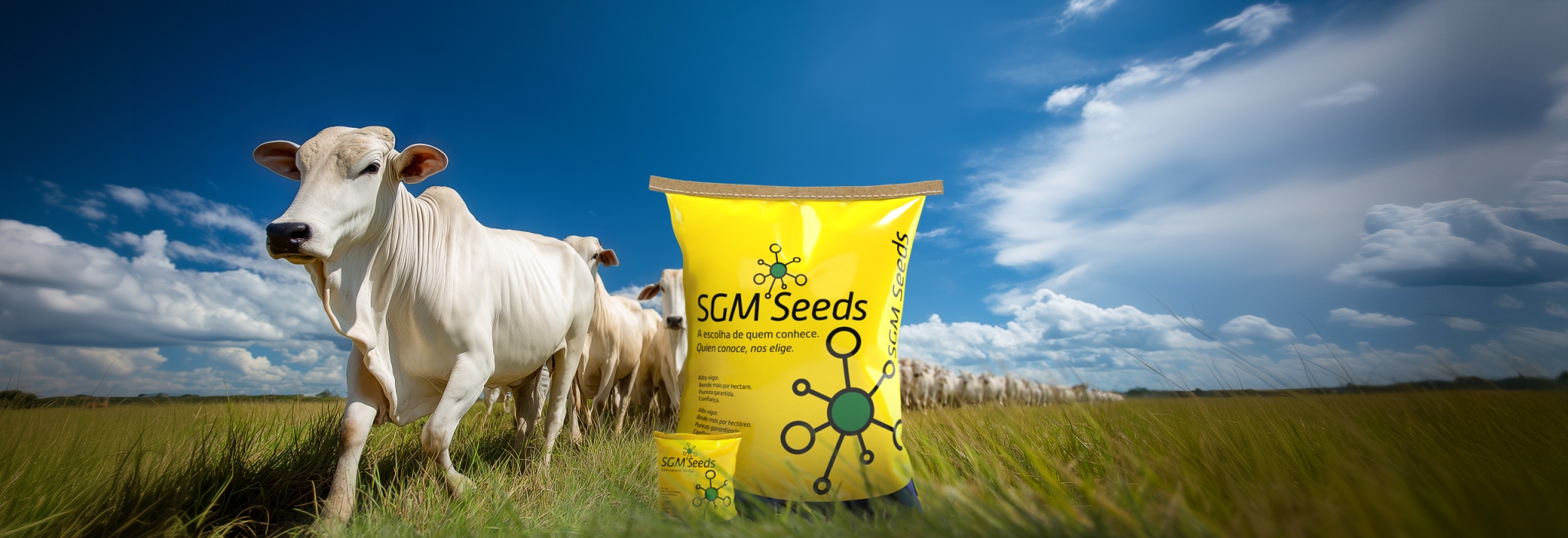
Choosing the right forage grass is one of the most important decisions in any livestock production system. Selecting the correct forage directly influences productivity, pasture longevity, animal performance and long-term system stability.
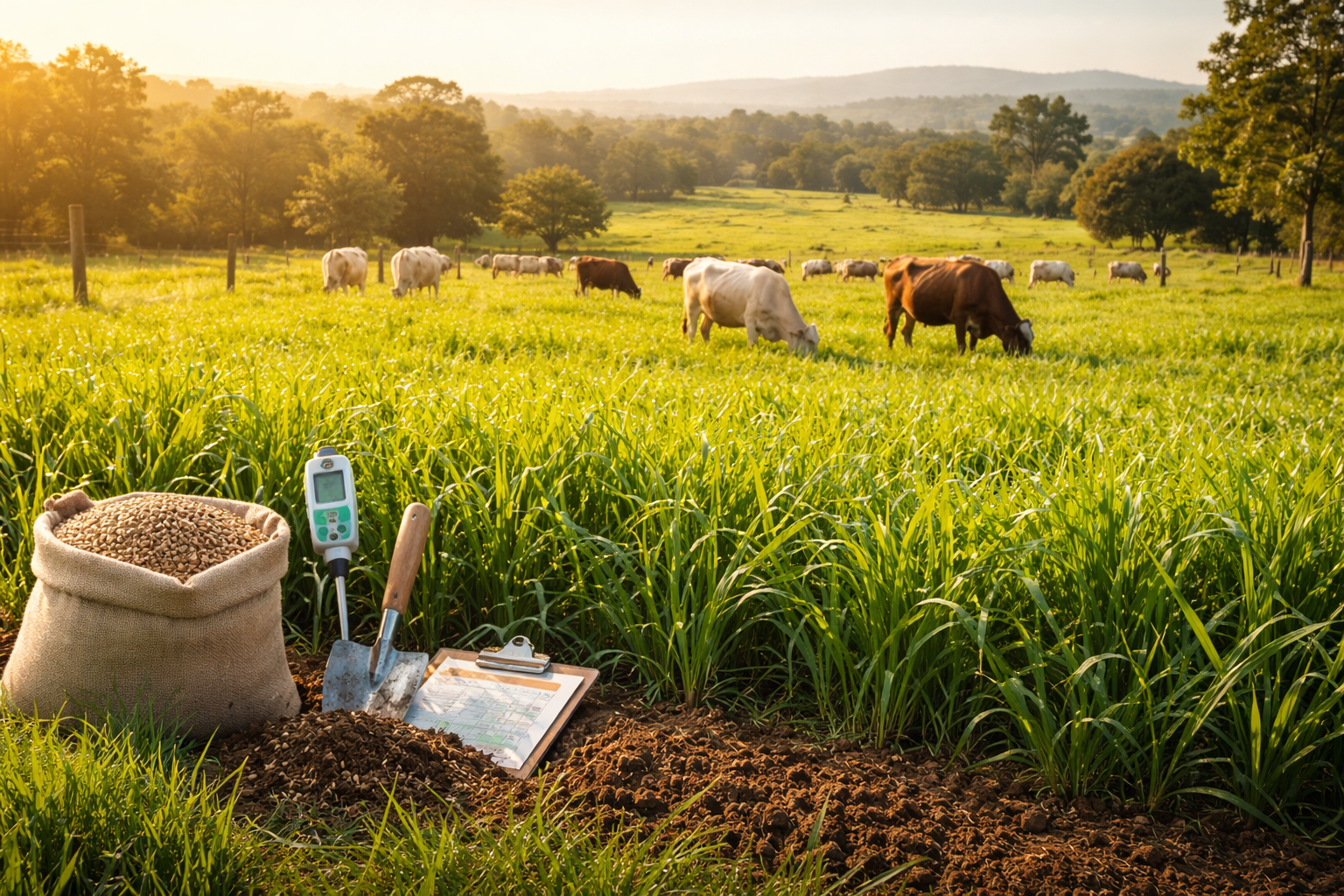
In Technical Note Nº 28, Don Germano summarizes — in simple language and with practical field experience — the five essential keys that every technician or producer should evaluate when arriving at a property to diagnose and define the ideal forage species.
These steps create a protocol that is quick, objective and extremely efficient, reducing mistakes and increasing accuracy in forage selection.
The first observation must always be how water behaves in the soil.
Allow the use of a wide variety of tropical forage species.
Options become significantly more limited.
In these cases, humidicola grasses are practically the only tropical grasses capable of delivering consistent performance and long-term stability.
Why is this important?
Forage grasses only express their full potential when adapted to the soil’s moisture regime.
The slope of the land changes the entire decision.
Should prioritize decumbent grasses, which spread across the soil surface and reduce erosion.
Avoid tuft-forming grasses, which leave soil patches exposed.
Most tropical species perform well.
Never use a single forage across the entire farm.
Diversifying paddocks reduces risks and improves the animals’ diet.
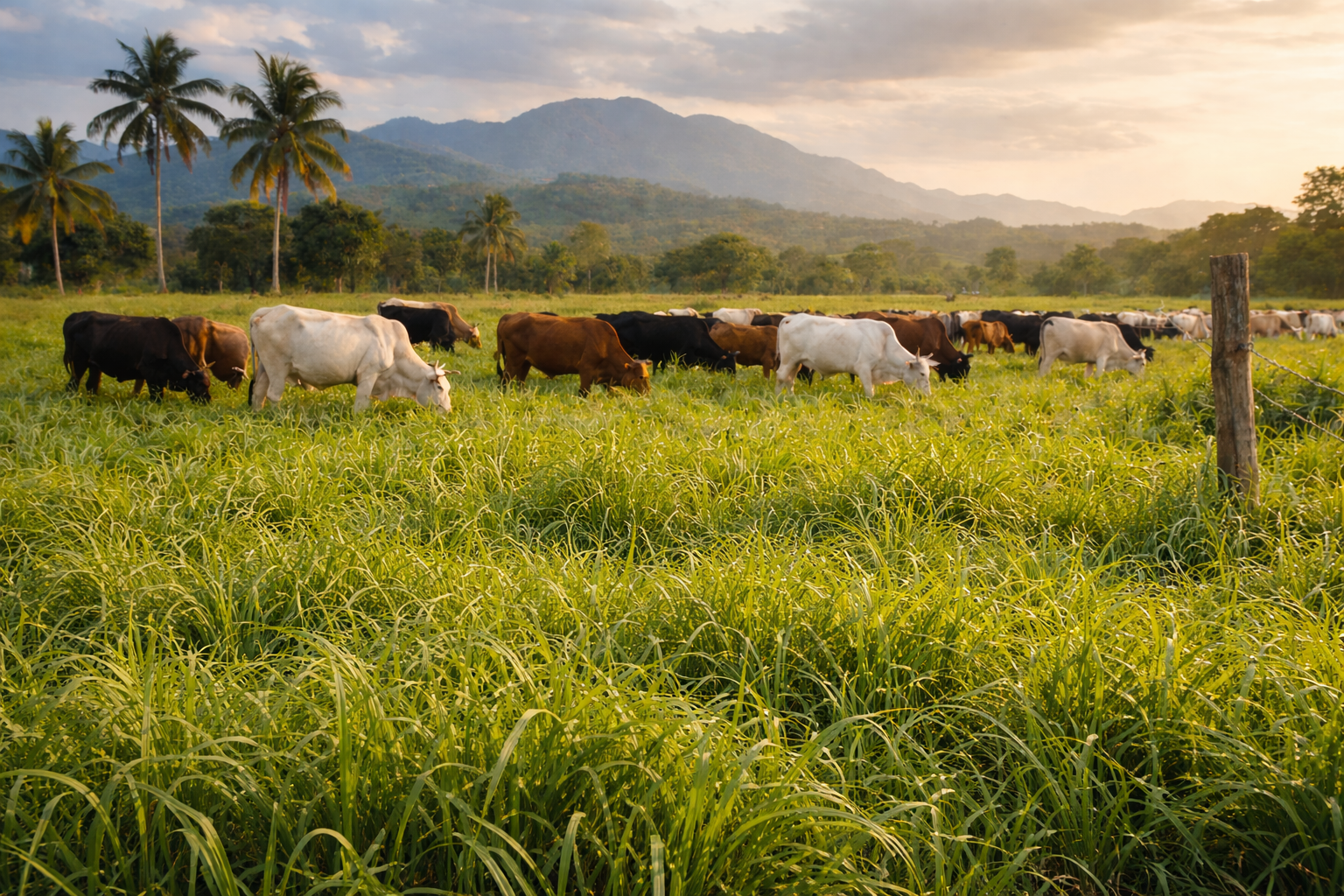
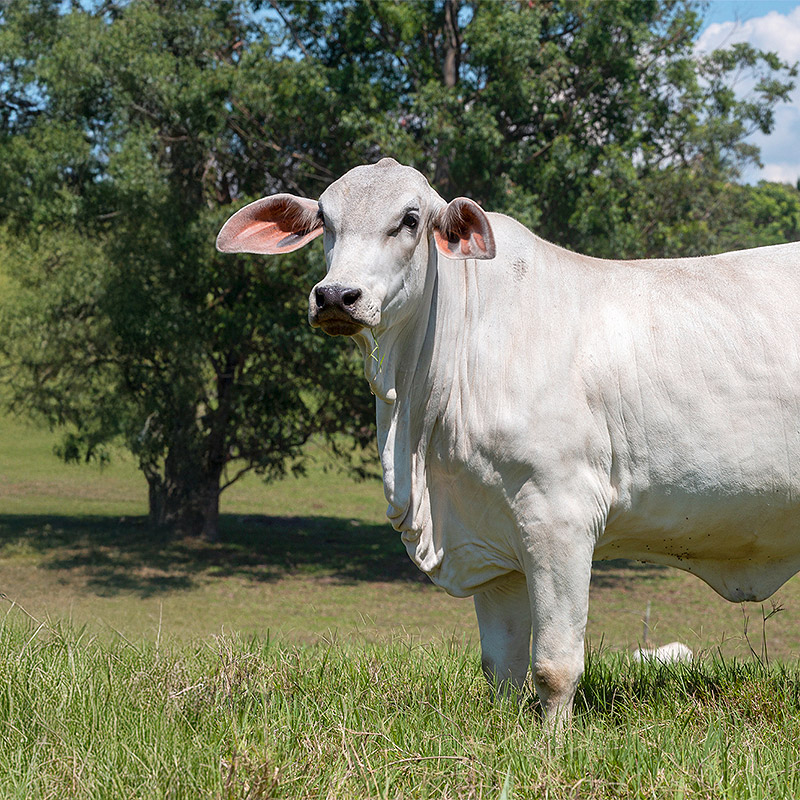
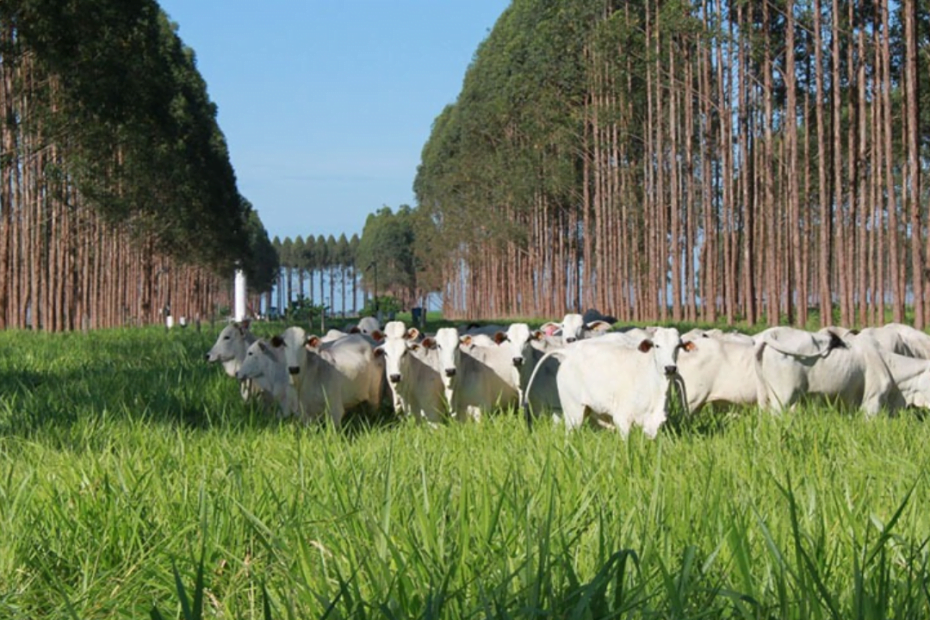
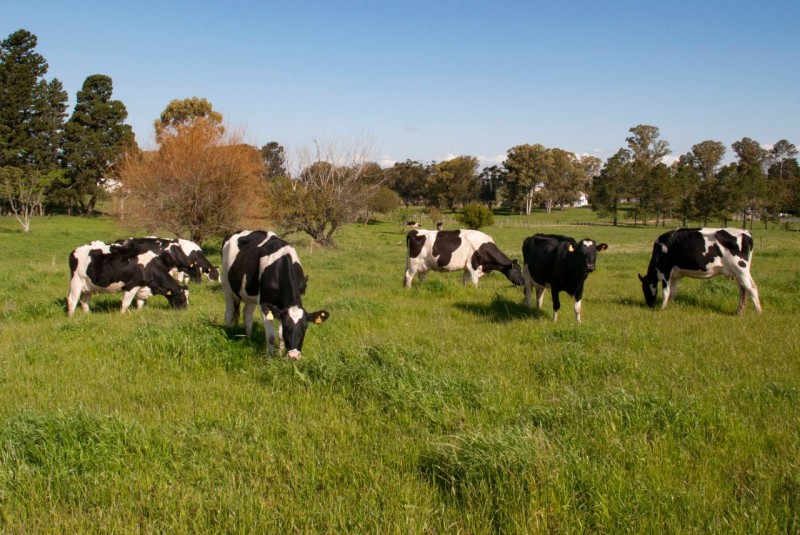
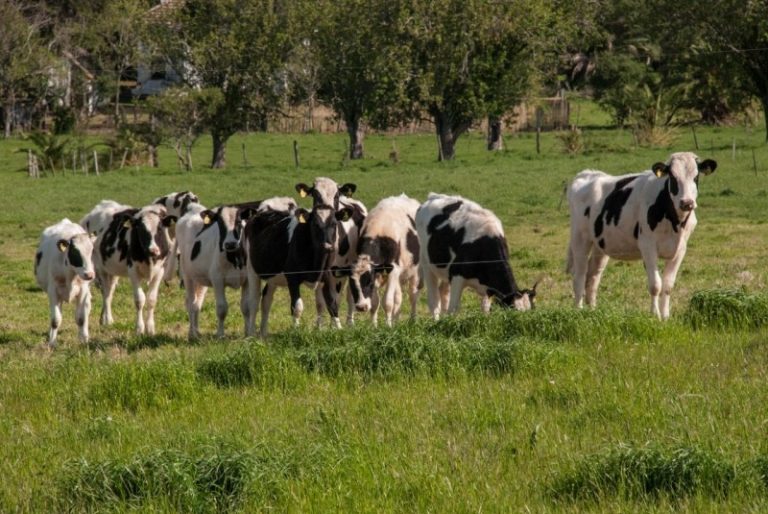
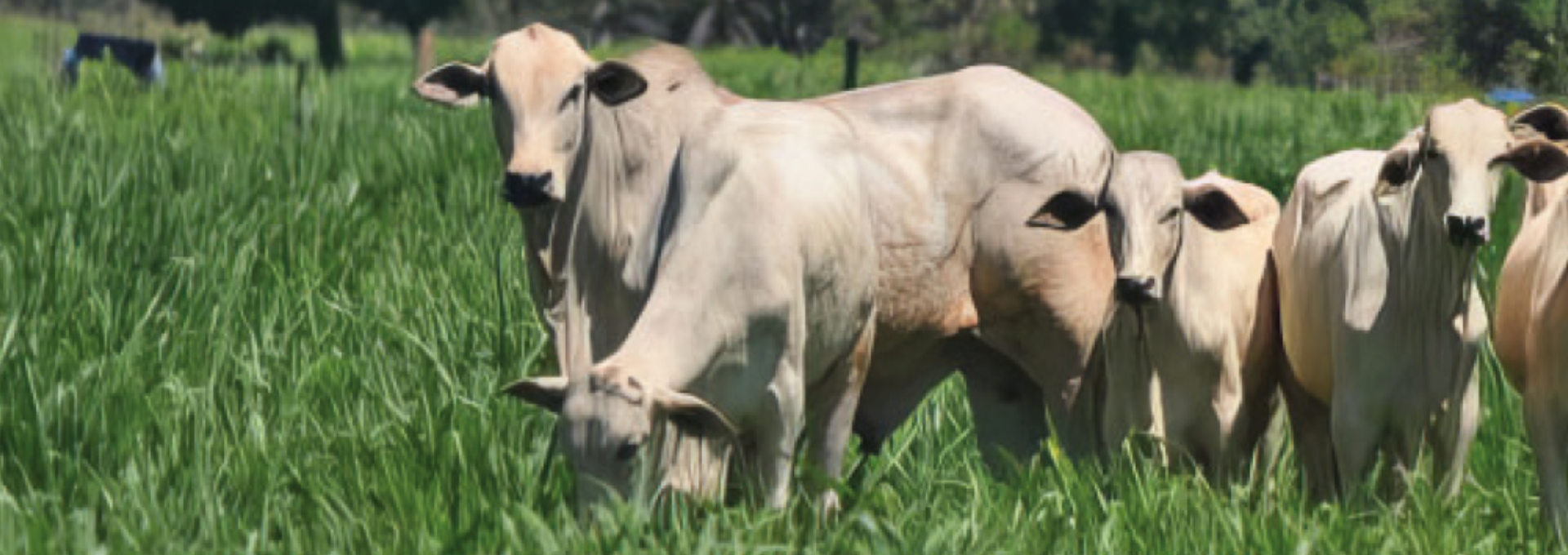
Each animal species grazes differently.
Consume mainly the upper part of the plant.
→ Recommended: tall grasses with apical meristems positioned away from the ground.
Graze very close to ground level.
→ Recommended: short, low-growing grasses that tolerate intense grazing pressure.
Choosing the correct species avoids premature degradation and ensures pasture longevity.
The environment speaks for itself.
Native plants present in the paddock and surrounding areas are excellent indicators of:
Soil drainage
Natural fertility
Moisture level
Soil type
Understanding these signs prevents mistakes and helps identify the species best adapted to local conditions.
This is one of the most strategic decisions.
Requires rustic, resilient grasses, capable of sustaining productivity under low-input management.
Requires high-yielding grasses, more demanding but with excellent response when well managed.
Don Germano explains clearly:
Even though forage selection can be a complex topic, these five keys create a safe, practical and highly reliable path to choosing the ideal grass species for each situation.
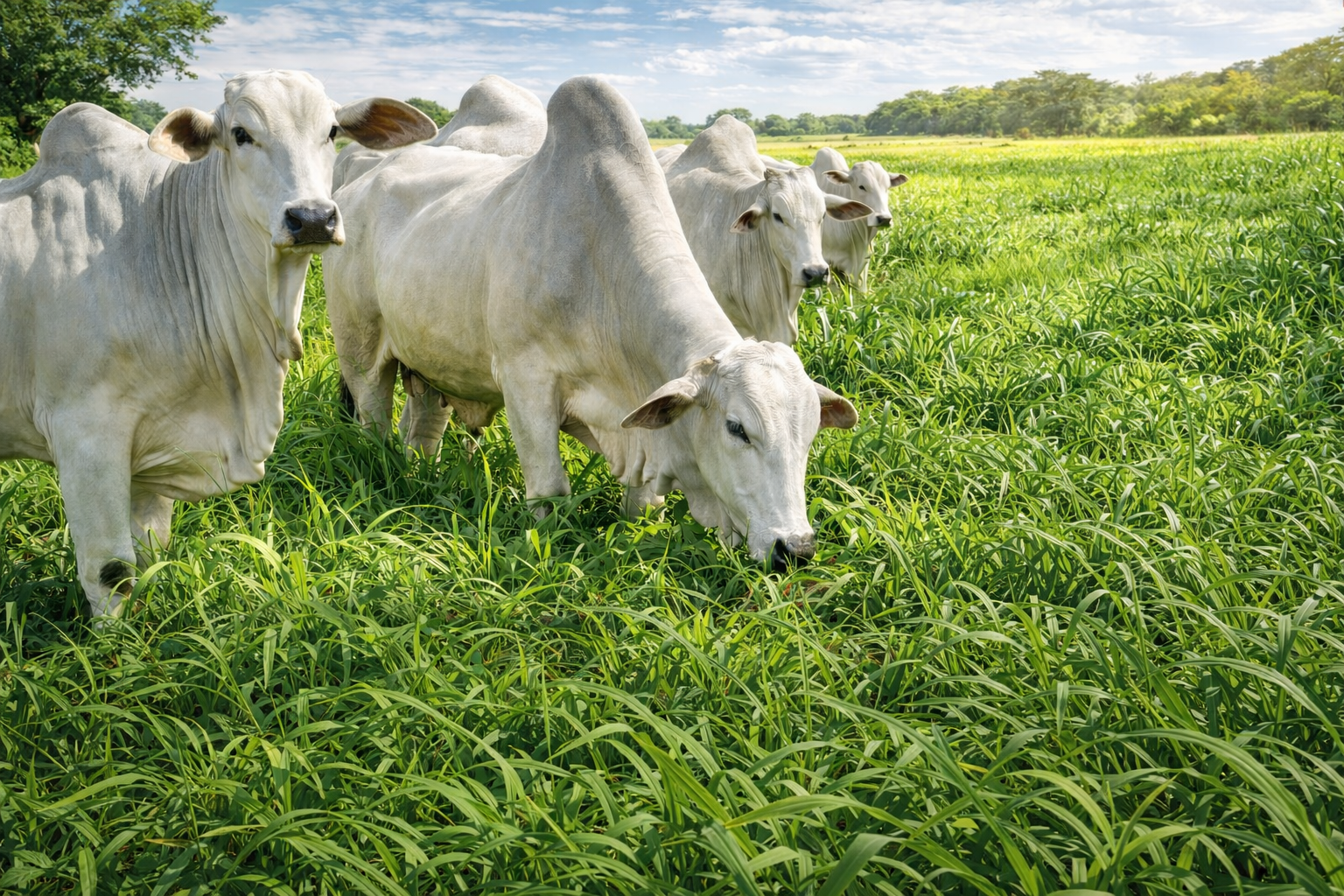
Among the available options, Ruziziensis (Urochloa ruziziensis) and Piatã (Urochloa brizantha cv. BRS Piatã) stand out…
Continue readingEste site usa cookies para aprimorar sua experiência de navegação.