









Nós usamos cookies
Este site usa cookies para aprimorar sua experiência de navegação.
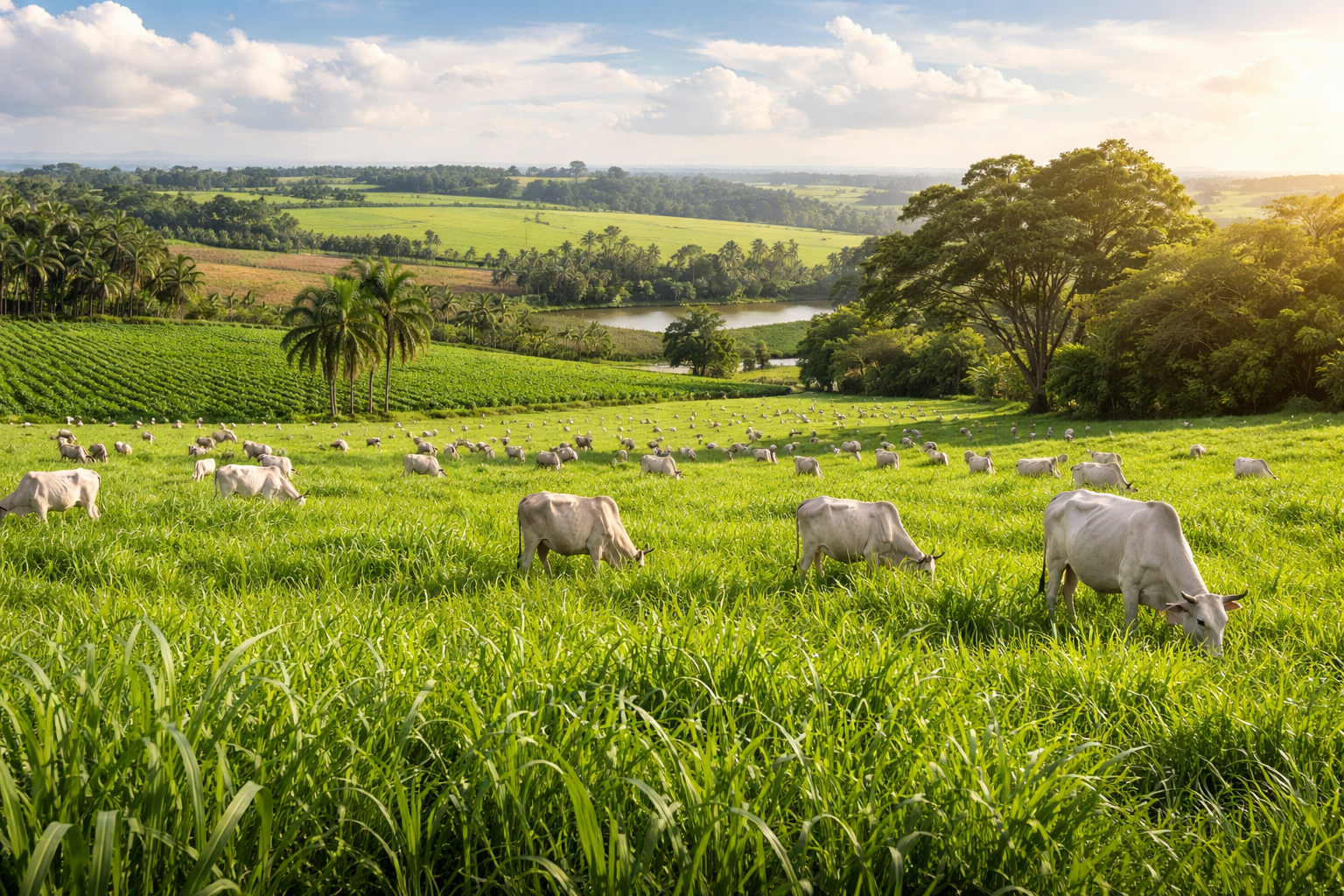
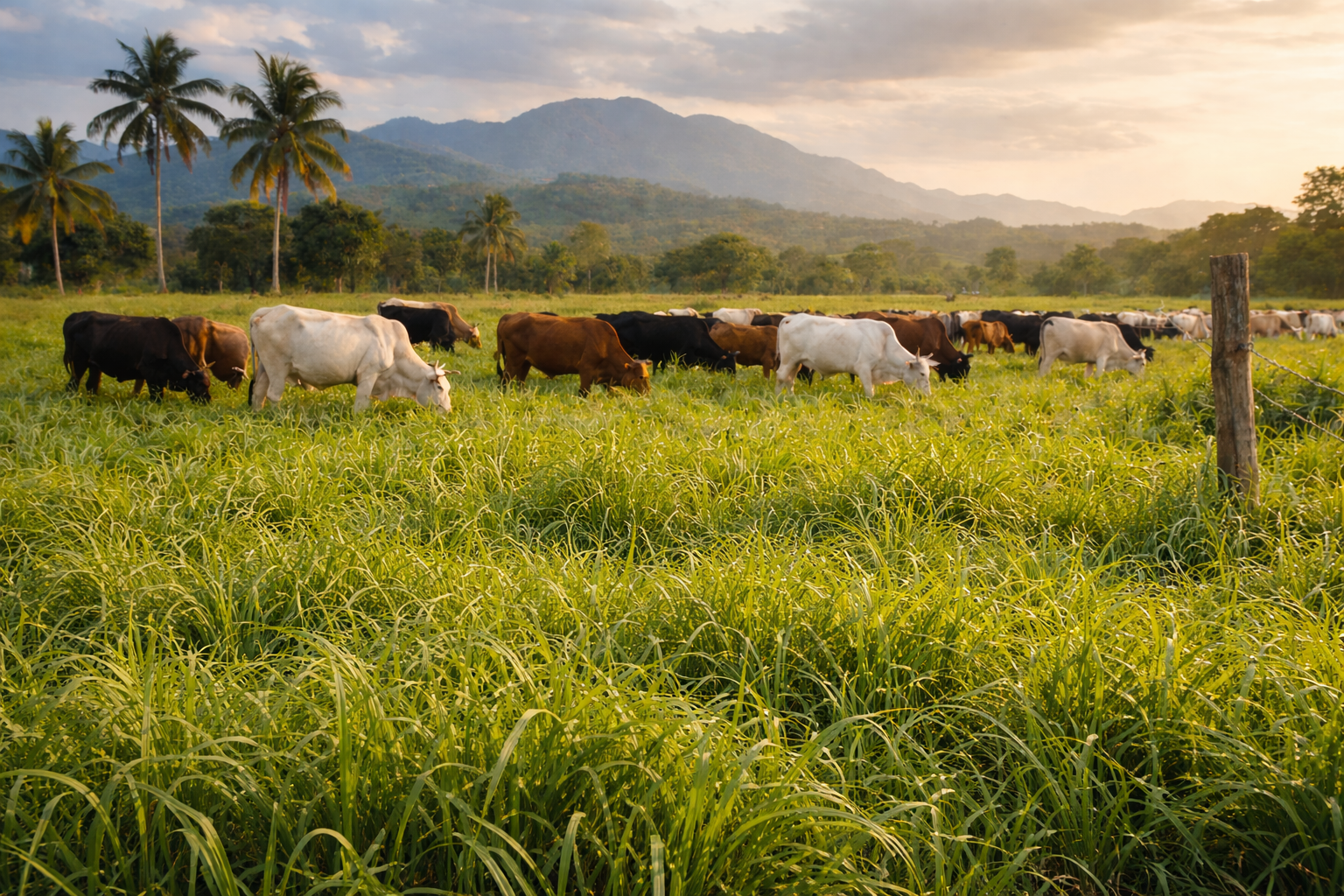
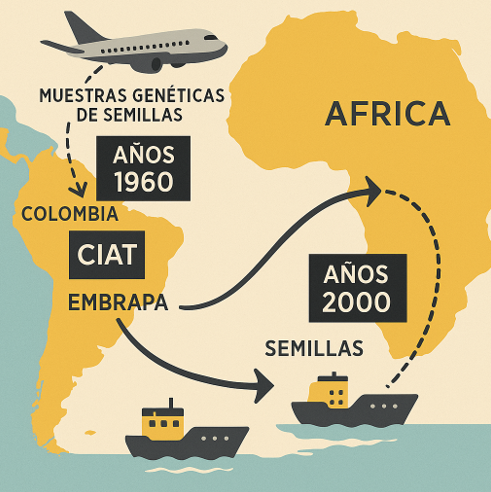
When we talk about brachiaria, many people think only about its African origin. In fact, Africa is the genetic birthplace of brachiaria species. However, it was in Brazil that these species were transformed into a true productive revolution for tropical livestock.
Over the decades, Brazilian researchers not only adapted these forages to tropical conditions but also developed management technologies, genetic improvement, and seed production systems that are now global references.
Today, Brazil does not just cultivate brachiaria.
The country dominates tropical pasture technology.
A large portion of soils in the Brazilian Cerrado — as well as many savanna regions across Latin America — presents characteristics that were historically considered limiting for agricultural production.
Among them are:
High rainfall
High temperatures
Intense weathering
High soil acidity
Low natural nutrient availability
For many years, these conditions created the perception that such areas had low productive potential.
On the other hand, the tropics offer an extraordinary strategic advantage: high solar incidence and long production windows throughout the year, enabling high photosynthetic rates and multiple production cycles.
It was precisely within this contrast — between challenging soils and a highly productive climate — that Brazil built its tropical agricultural revolution.
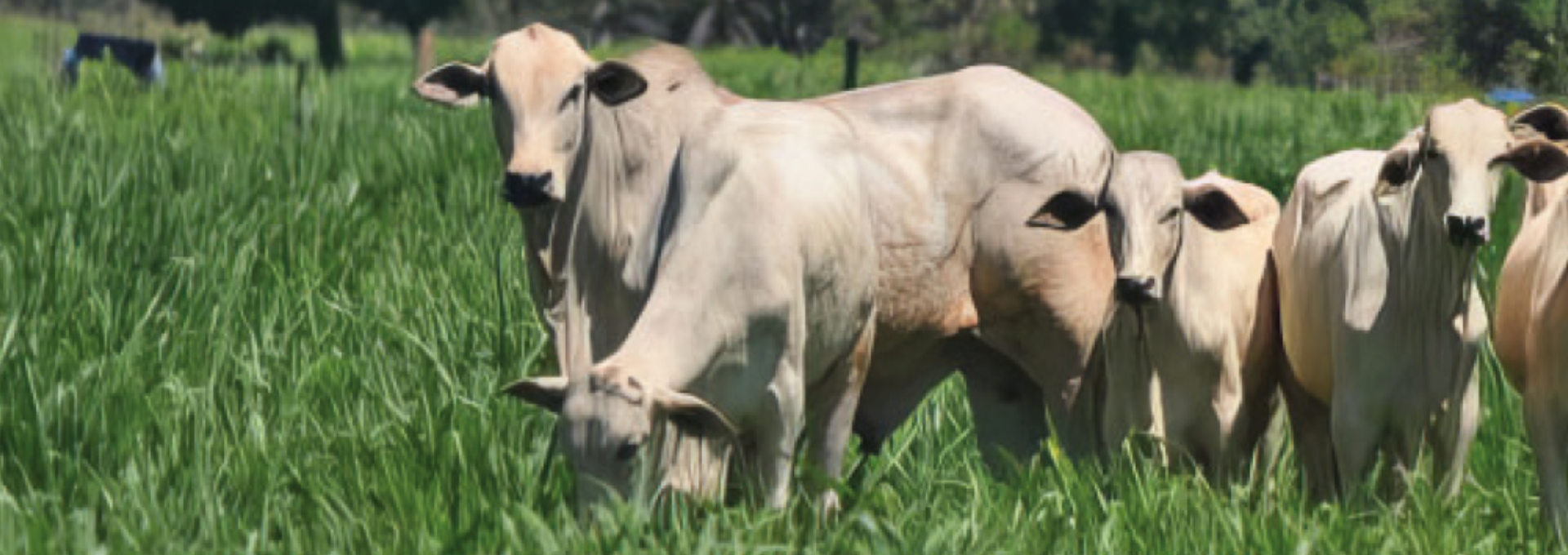
With advances in brachiaria genetic improvement, combined with applied research and the development of new management practices, tropical pastures have shifted from being a secondary option to becoming the structural foundation of modern livestock production.
The genetic evolution of cultivars from the genus Urochloa (formerly Brachiaria) enabled important advances such as:
Greater tolerance to acidic soils
Improved response to fertilization
Higher productivity per hectare
Support for integrated production systems (ILP – Crop-Livestock Integration)
As a result, Brazil has gained a prominent global position in livestock production based on tropical pastures.
Mastering tropical pasture production is not just about choosing the right cultivar.
The technology involves a set of integrated factors working together:
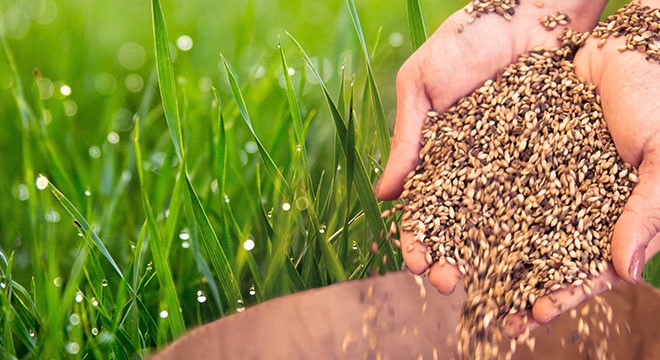
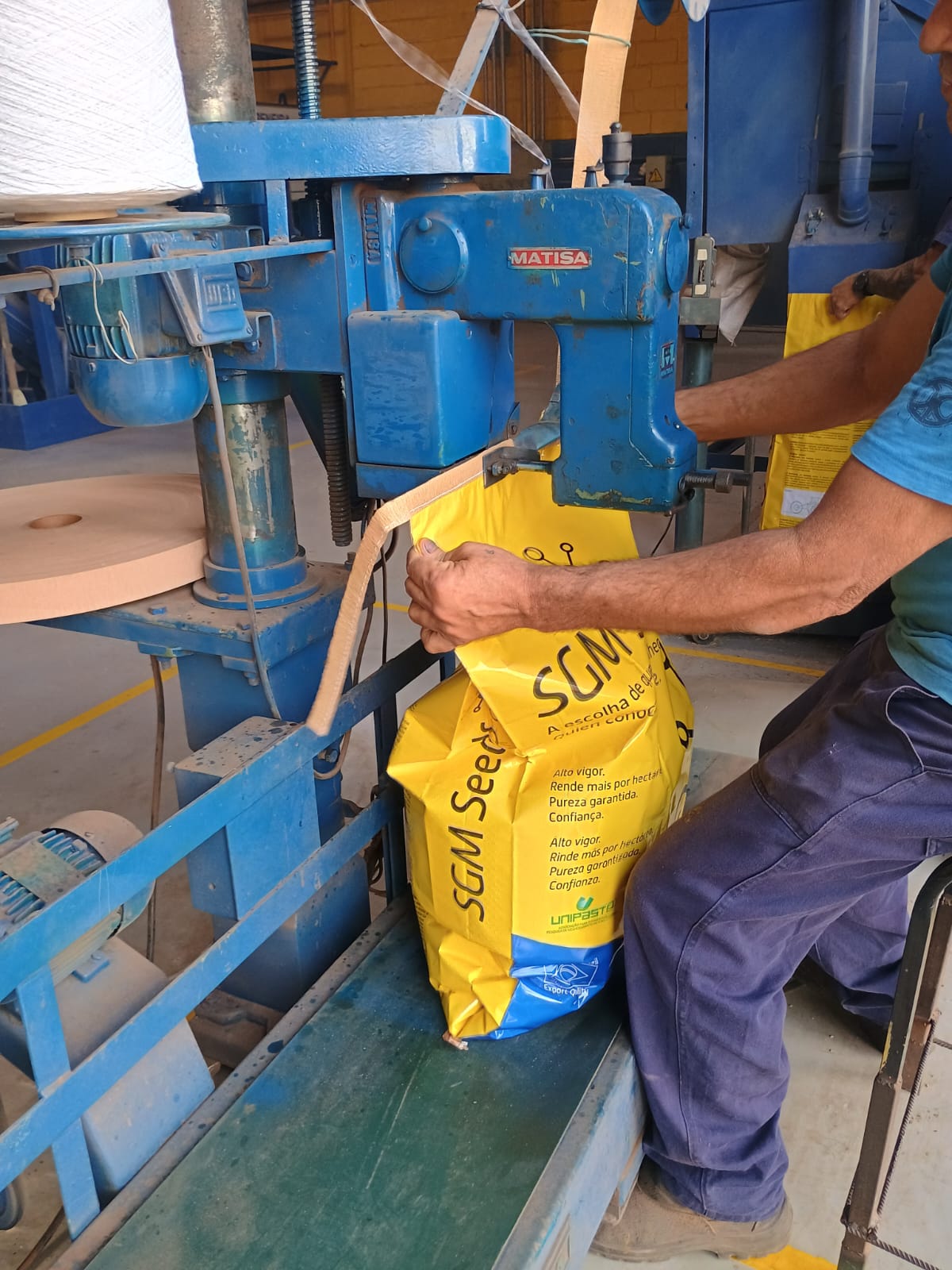
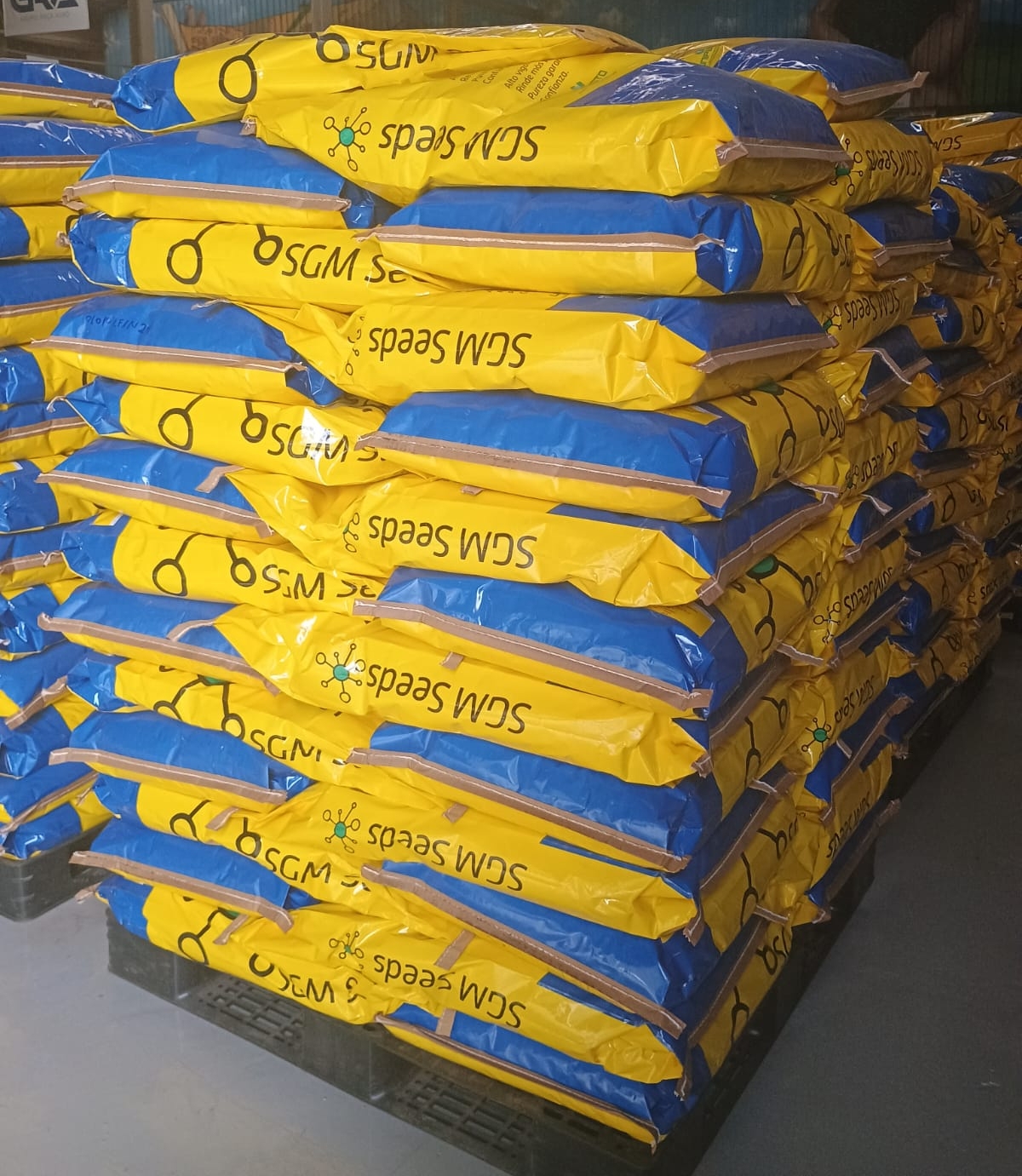
Technical seed production with high purity and vigor
Agriculture adapted to tropical conditions
Integration between crop and livestock systems
Efficient and traceable logistics
Advanced animal nutrition and health management
Professional livestock management
In other words, tropical technology is systemic.
It has been built over decades of research, innovation, and practical field experience.
Institutions such as Embrapa have played a fundamental role in building this knowledge.
Through genetic improvement programs, germplasm collections, and the development of management protocols, Brazilian research has established a scientific foundation that now supports modern tropical livestock production.
This foundation has transformed originally African species into cultivars highly adapted to Latin American production conditions.
In today’s tropical agribusiness landscape, integrated production models and technology transfer are becoming increasingly strategic.
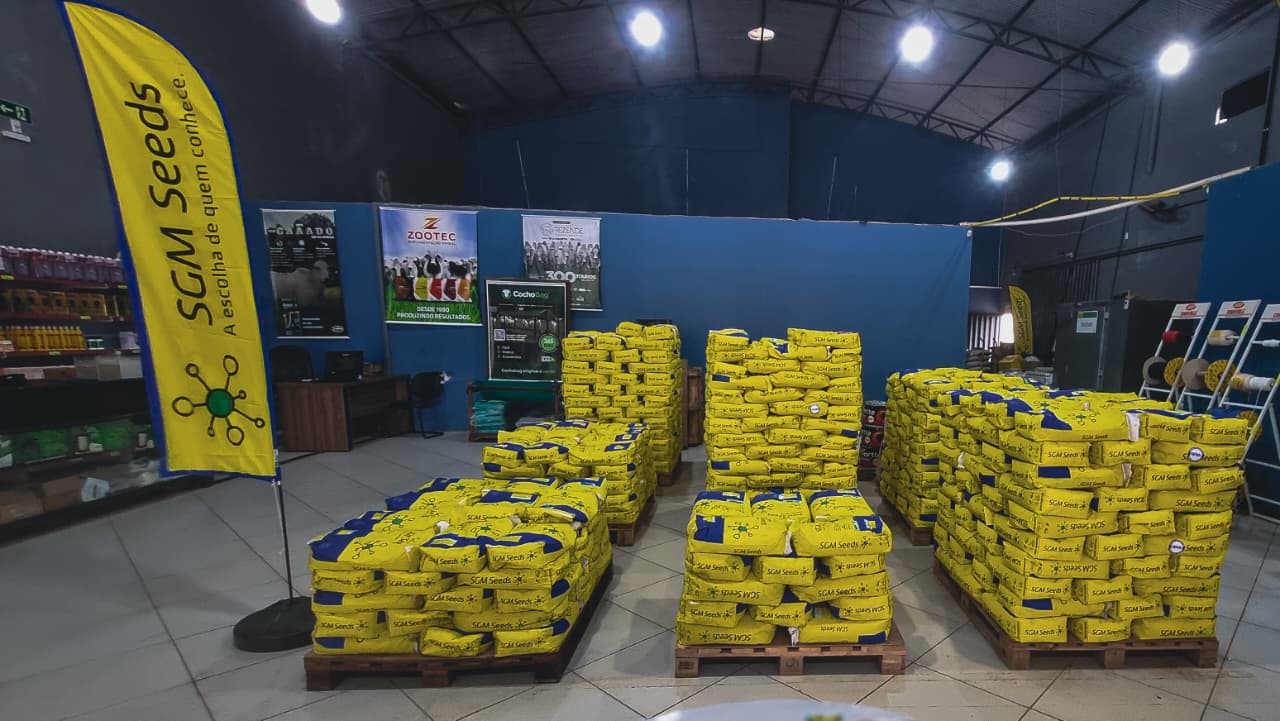
Grupo Raça Agro, together with SGM Seeds, represents a strong example of this integration in the field.
This model brings together different stages of the production chain:
Specialized forage seed production
In-house animal nutrition facilities
Retail distribution structure in the agricultural sector
Direct technology transfer to producers
This approach creates an important competitive advantage in the international market.
More than exporting seeds, it exports applied knowledge within real tropical production systems.
The mastery of tropical pasture technology is the result of decades of research, innovation, and accumulated field experience.
Today, Brazil stands as one of the world’s leading references in livestock production under tropical conditions.
And in this scenario, companies that operate with technology, genetic quality, and applied knowledge play a fundamental role in advancing production systems.
SGM Seeds — quien conoce, nos elige.
Among the available options, Ruziziensis (Urochloa ruziziensis) and Piatã (Urochloa brizantha cv. BRS Piatã) stand out…
Continue readingEste site usa cookies para aprimorar sua experiência de navegação.