








Nós usamos cookies
Este site usa cookies para aprimorar sua experiência de navegação.
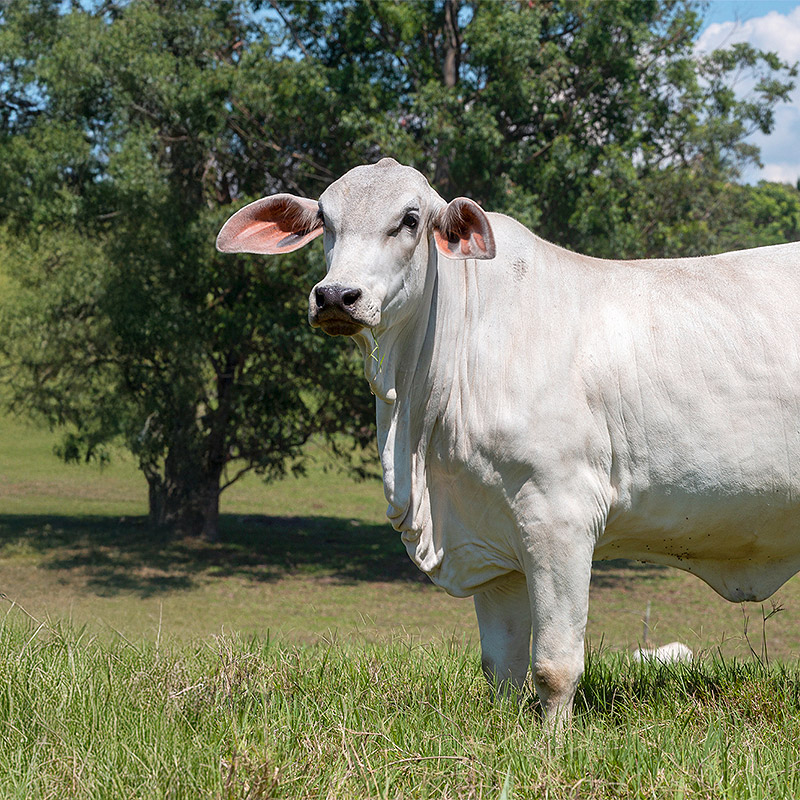
Learn the five essential keys to choosing the ideal forage for your farm. A practical guide by Don Germano covering soil drainage, topography, animal type, and production systems.
Choosing the right forage is one of the most important decisions in livestock production. Unlike annual crops, pastures remain in place for many years and directly influence:
herd productivity,
cost per kilogram or pound of meat produced,
system longevity,
and overall farm sustainability.
With practical experience and straightforward language, Don Germano summarizes five essential points that every technician or producer should evaluate when diagnosing a property and selecting the most suitable pasture.
This is a simple, easy-to-apply protocol with a major impact on long-term productive success.
The first step is to understand how water behaves in the field.
Well-drained soils:
There is a wide range of forage options available.
Heavy soils, humid areas, or sites with temporary waterlogging:
The options become much more limited.
Under these conditions, humidicola-type forages are practically the only tropical grasses capable of ensuring stable performance and pasture persistence.
Don Germano’s tip:
👉 Where water remains for long periods, forage selection must be even more precise.
Terrain slope directly affects forage choice.
Sloped areas:
Prioritize decumbent grasses, which provide better soil cover and reduce erosion risk.
Avoid tuft-forming species, as they leave exposed soil between plants.
Flat areas:
Most forage species perform well.
Important reminder from Don Germano:
Never use a single forage across the entire farm.
Diversifying pastures across paddocks reduces risk and improves animal nutrition.
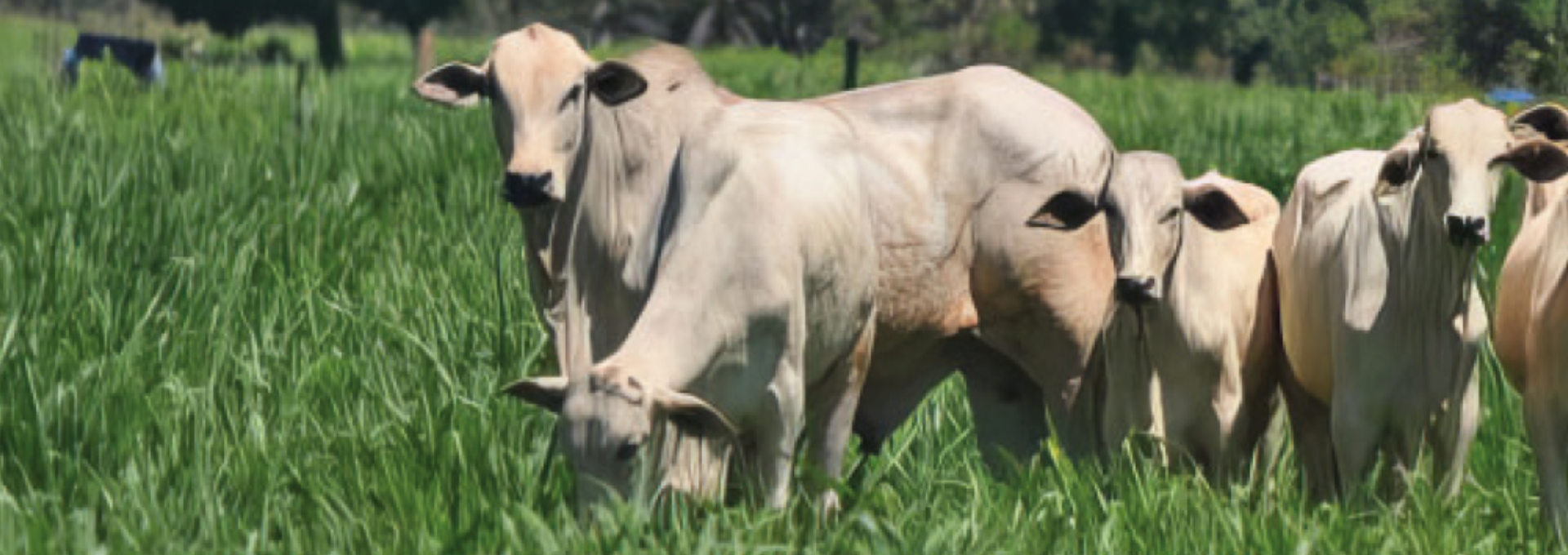
Different animal species graze in different ways, and this must guide forage selection.
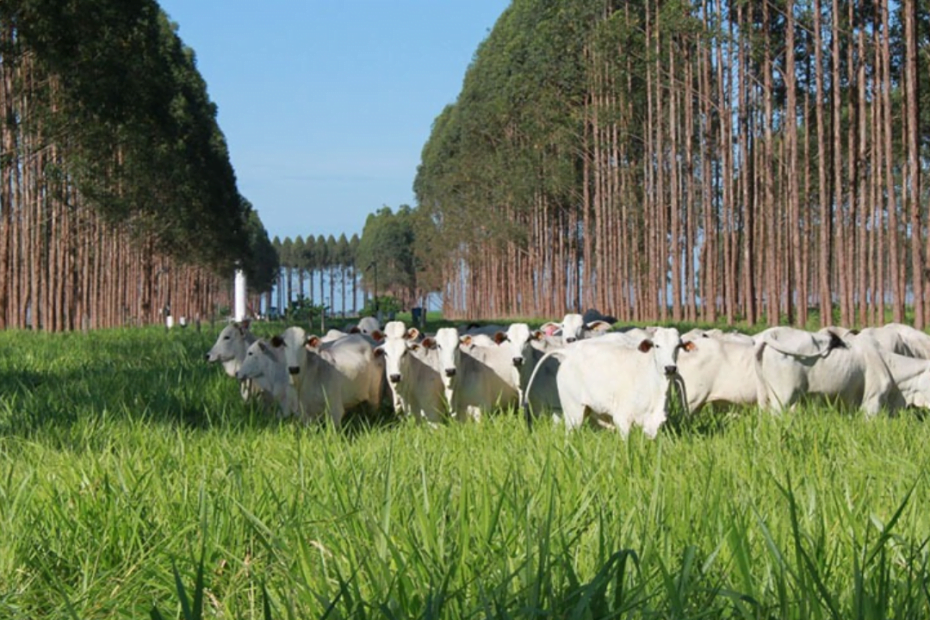
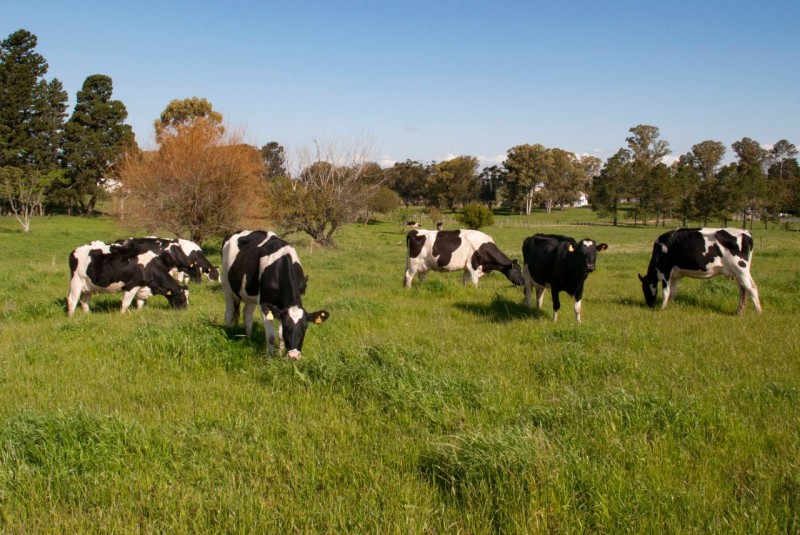
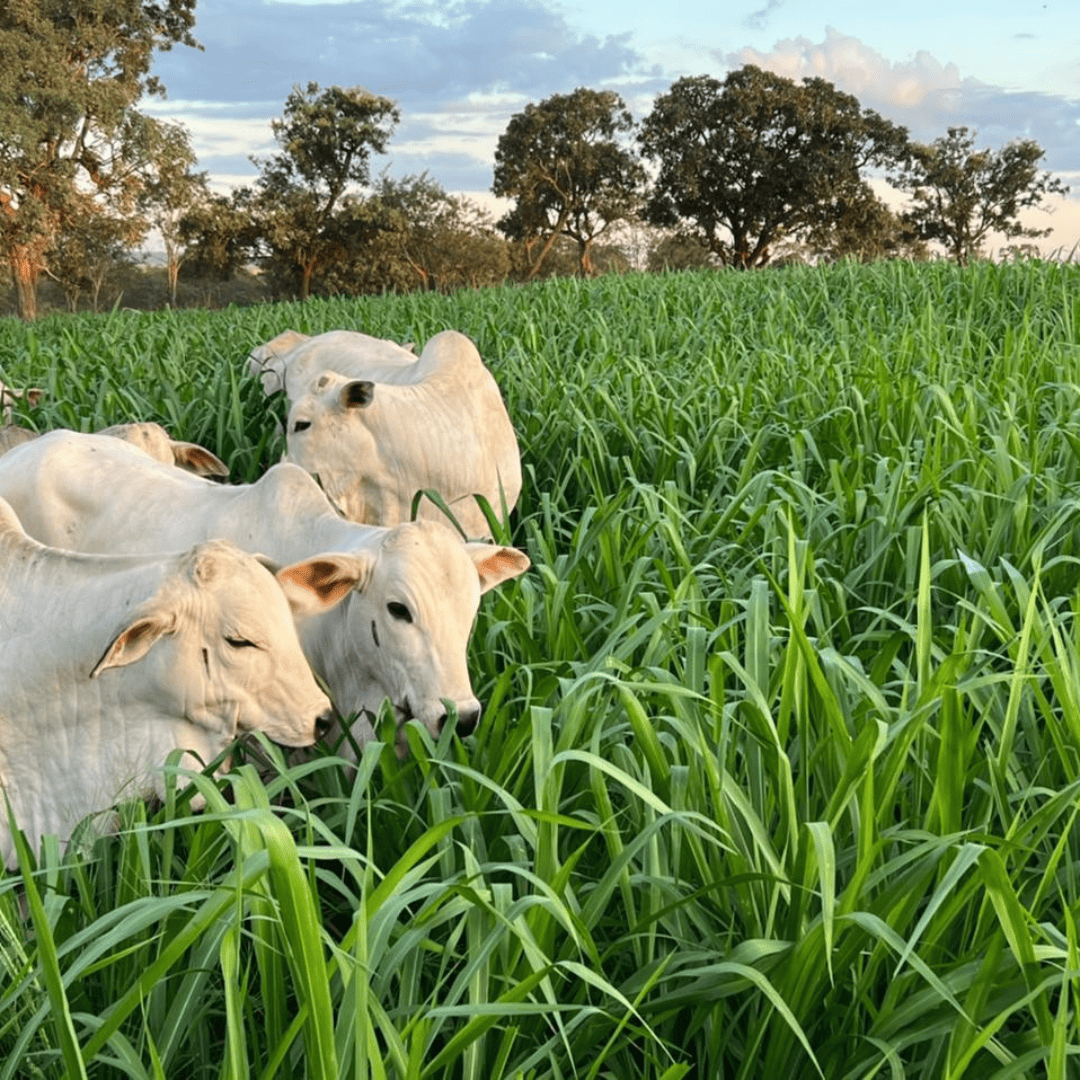
Cattle:
Primarily graze the upper portion of plants.
→ Choose taller grasses with the apical meristem positioned farther from the soil.
Horses, sheep, and goats:
Graze very close to the soil surface.
→ Select low-growing forages adapted to intense, close grazing.
Ignoring animal type can compromise regrowth and pasture persistence.
Native vegetation is one of the most reliable indicators of soil conditions.
It provides valuable information about:
drainage,
fertility,
moisture,
soil type.
Observing plants that naturally grow in the area helps avoid mistakes and indicates which forage will have better adaptation and longevity.
The production system determines the level of forage demand.
Extensive systems:
Prioritize rustic forages that tolerate low-input management.
Intensive systems:
Select high-yielding forages that respond strongly to fertilization and management.
The forage must match the farm’s real operational capacity — not an idealized model.
“This is a simple but very powerful protocol.
Forage selection may seem complex, with many variables involved.
However, by following these five keys, producers gain a clear, safe path with a high probability of choosing the right pasture.”
Choosing the right forage begins with observation, diagnosis, and alignment between soil, climate, animal type, and production system.
By following Don Germano’s Five Golden Keys, producers reduce risk, improve management efficiency, and build more productive and long-lasting pastures.
SGM Seeds — Those who know us, choose us.
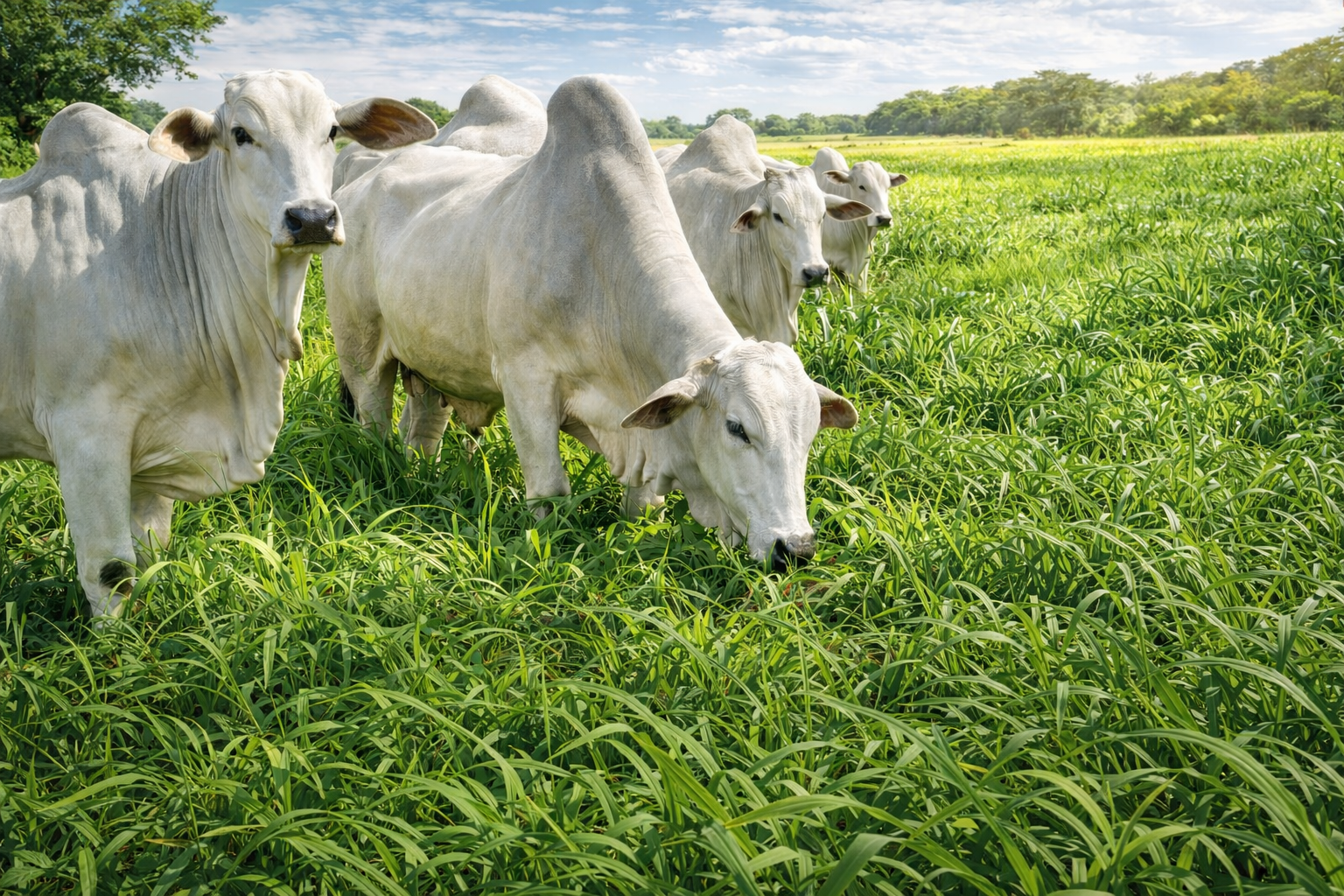
Among the available options, Ruziziensis (Urochloa ruziziensis) and Piatã (Urochloa brizantha cv. BRS Piatã) stand out…
Continue readingEste site usa cookies para aprimorar sua experiência de navegação.