









Nós usamos cookies
Este site usa cookies para aprimorar sua experiência de navegação.

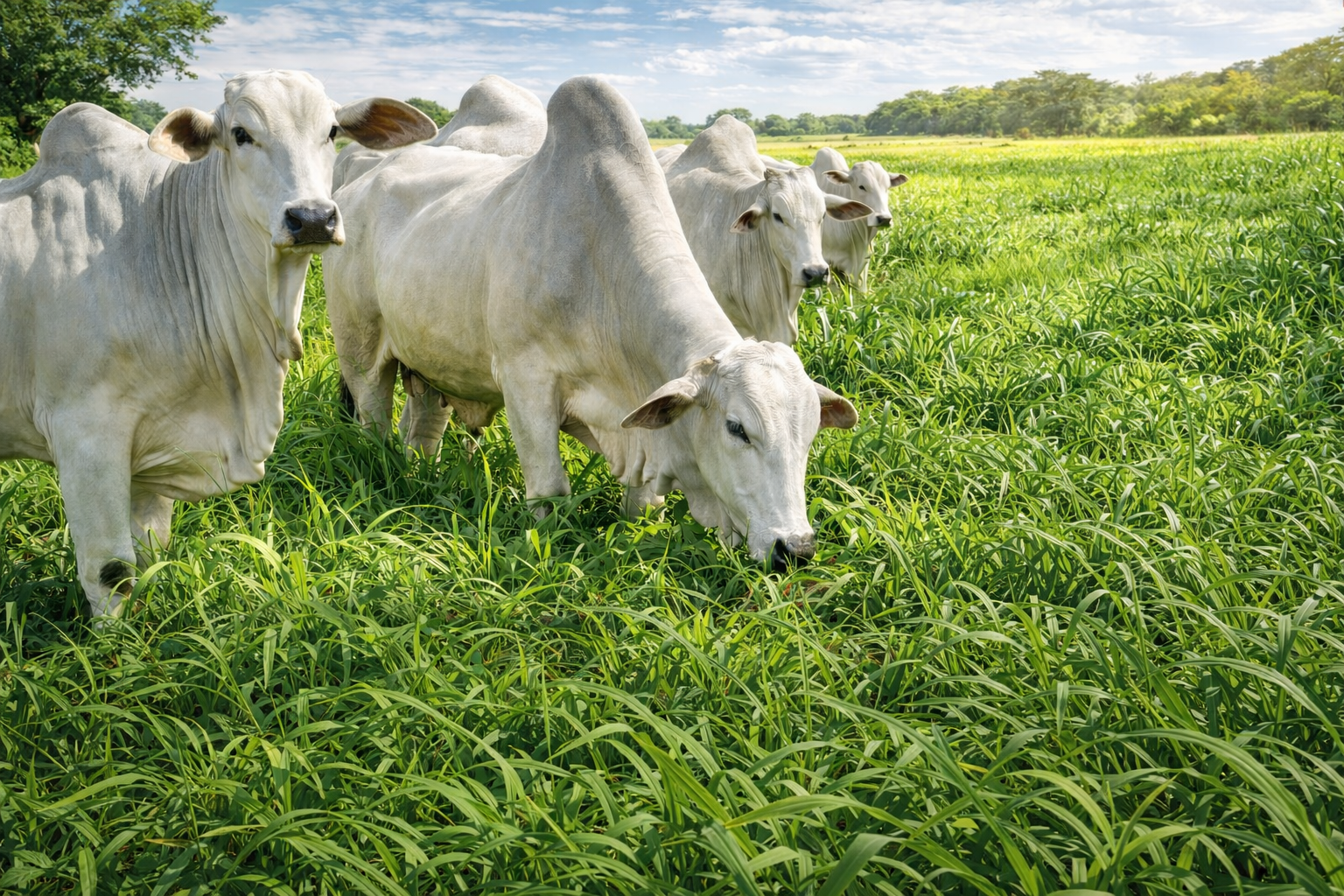
From the use of traditional forage cultivars to modern satellite monitoring technologies, the success of livestock systems depends directly on efficient pasture management.
More than keeping the grass green, the real objective is to harvest forage plants at their optimal nutritional stage, turning grass into meat and milk with maximum efficiency.
In simple terms, managing a pasture well means knowing the right moment for animals to enter and leave, avoiding undergrazing or overgrazing and ensuring a balance between productivity and sustainability.
Light interception measures how much sunlight is captured by the pasture canopy before it reaches the soil.
Research shows that the optimal grazing point for most tropical forages occurs between 92% and 95% light interception.
Why this matters:
Before this point, the pasture is still in active growth.
After this point, stems and old leaves accumulate, reducing nutritional quality.
It prevents grazing that is too early or too late.
Practical example:
In Panicum maximum cv. Mombaça, 95% LI corresponds to approximately 90 cm in height.
Benefit: helps identify the precise moment for cattle entry, maximizing productivity and nutritional value.
Each forage species has ideal heights for the beginning and end of grazing.
Entry height: depends on canopy structure and the leaf-to-stem ratio. Very tall pastures increase biomass but decrease quality.
Exit height: must protect regrowth buds and preserve plant reserves.
Practical examples:
Mombaça: entry between 80–90 cm | exit between 35–40 cm.
Brachiaria brizantha: entry between 30–40 cm | exit between 15–20 cm.
Benefit: ensures balance between animal intake and plant regrowth vigor.
The growth rate (kg DM/ha/day) indicates how much forage biomass the pasture produces per day, while dry matter availability (DM) represents the total forage available before grazing.
How to measure:
Using quadrats or exclusion cages.
Height differences with calibration formulas.
Technological tools or predictive models.
Benefit: helps determine the ideal stocking rate, avoiding overgrazing (forage deficit) and undergrazing (old, low-quality forage).
Regrowth capacity is the pasture’s ability to recover quickly after grazing.
It depends on factors such as light, temperature, soil fertility, carbohydrate reserves and previous management.
Why it is essential:
Ensures pasture persistence for years.
Reduces renovation costs.
Maintains productivity even during dry or cold periods.
Modern livestock production uses digital tools to optimize pasture management:
Satellite imagery correlating color, height and forage quality.
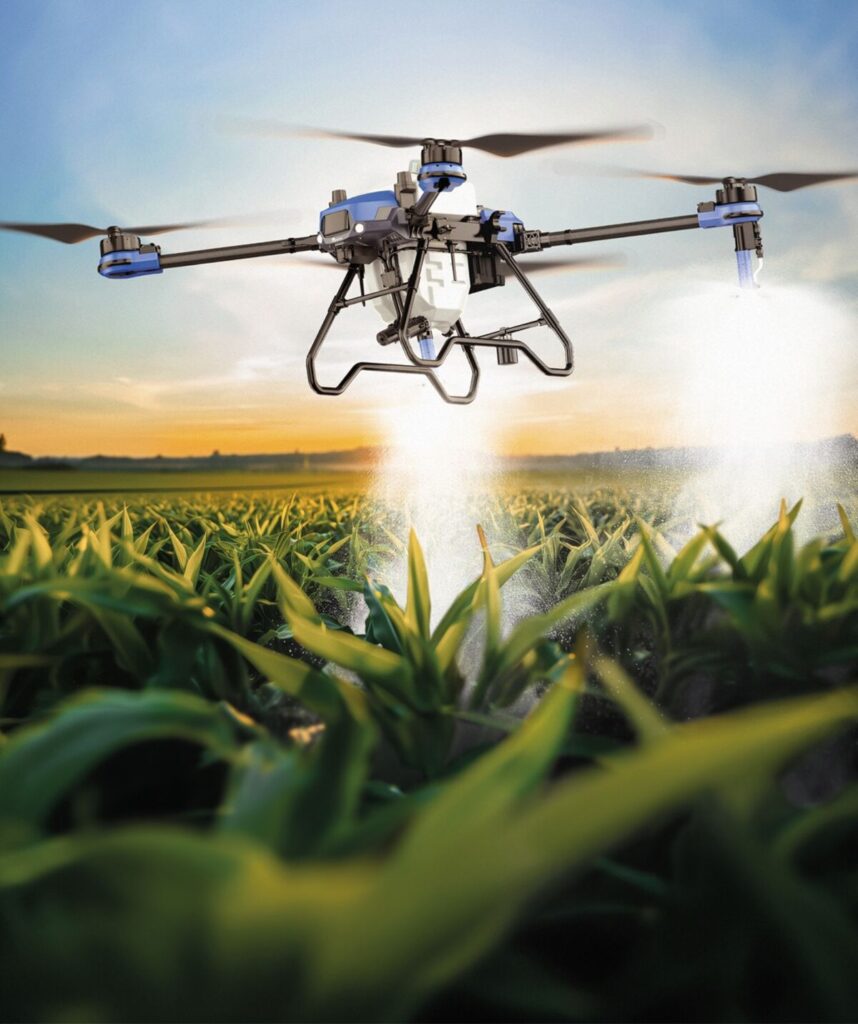
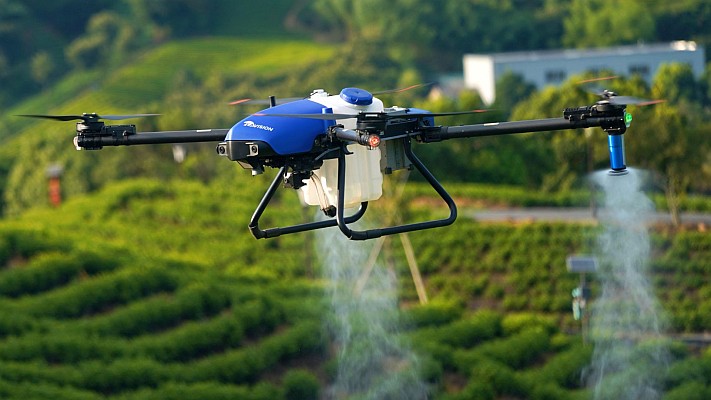
Drones with high-resolution sensors for productivity mapping.
Real-time applications and systems that indicate the ideal entry and exit moment for grazing.
These technologies are transforming pasture management and making tropical livestock production more efficient, sustainable and profitable.
Efficient pasture management is the true foundation of high-performance livestock production.
Following technical parameters — such as light interception, entry and exit height, and growth rate — increases productivity, reduces supplementation costs and improves profitability.
As the modern livestock saying goes:
“Today, what fattens cattle is no longer just the owner’s eye — it is data, sensors and intelligent management.”
Among the available options, Ruziziensis (Urochloa ruziziensis) and Piatã (Urochloa brizantha cv. BRS Piatã) stand out…
Continue readingEste site usa cookies para aprimorar sua experiência de navegação.