





Nós usamos cookies
Este site usa cookies para aprimorar sua experiência de navegação.
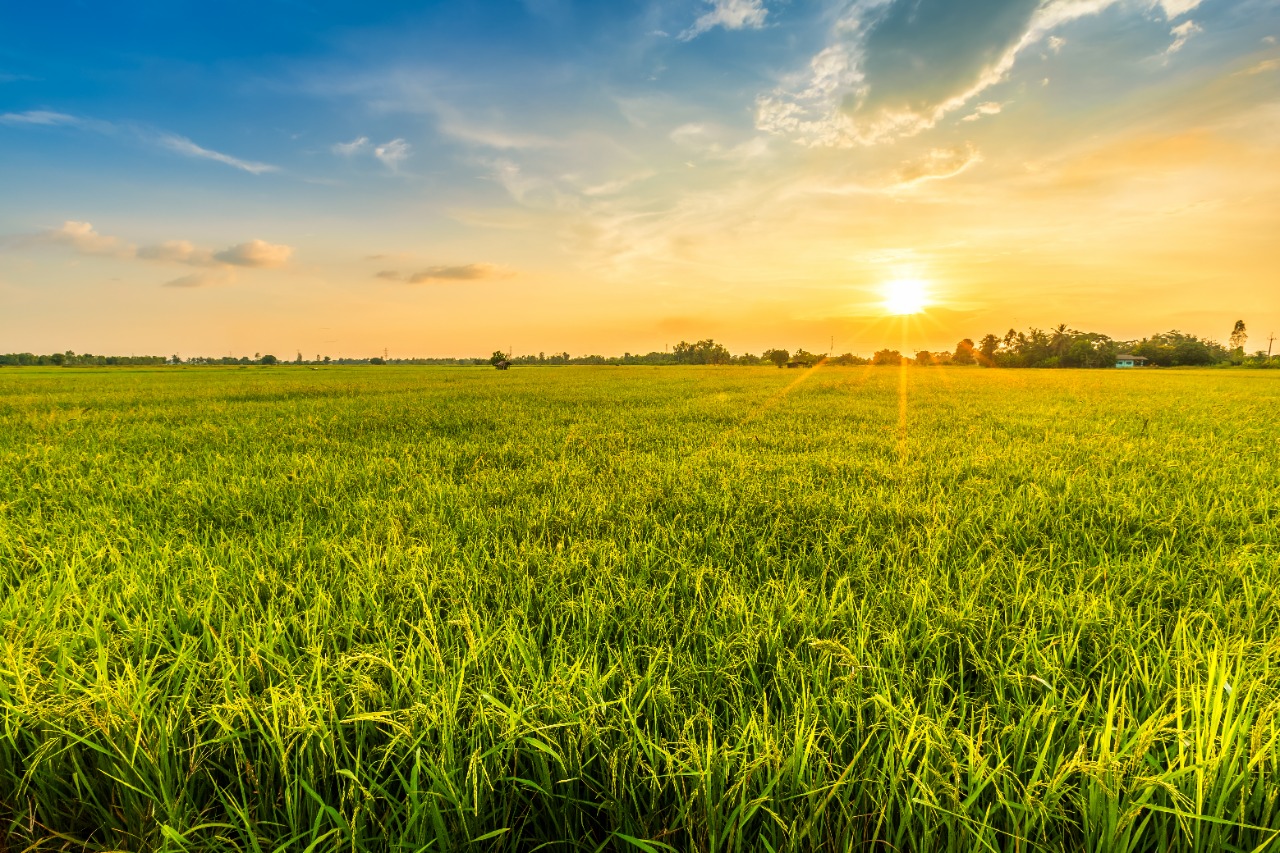
For decades, Brazil experienced a massive population movement from the countryside to the city. During the 1960s and 1970s, rapid industrialization attracted millions to urban centers. Meanwhile, rural life was socially devalued, and those who lived in the countryside were labeled as “backward” or “caipira.”
But this view never reflected the real history of the country. During the golden cycles of coffee production, rural landowners held enormous influence. They shaped national politics, directed economic decisions, and guided the development of a country whose true vocation has always been agricultural.
Even at the height of rural exodus, academic programs such as Agronomy, Animal Science, and Veterinary Medicine were considered bold choices — yet full of promise.
Universities and professors saw what many didn’t: these fields represented the future.
Time proved them right.
The agricultural revolution of the 1980s, powered by soil science, genetic improvement, and rapid expansion in the Cerrado, changed the country forever.
Year after year, Brazil:
increased productivity,
became a global food supplier,
dominated tropical agriculture,
and developed sustainable production systems.
Rural Brazil regained its relevance — and has continued to grow since then.
In the 21st century, the movement has reversed.
Brazil’s rural regions are growing faster than its major cities.
Salaries in agricultural hubs now match — and often surpass — urban wages.
The once-marginalized “caipira culture” has transformed into a national trend, influencing:
music,
lifestyle,
political identity,
and social behavior.
Today, the countryside has become a cultural force. It has become aspiration. It has become the future.
For professionals working in the agribusiness sector, this shift is decisive.
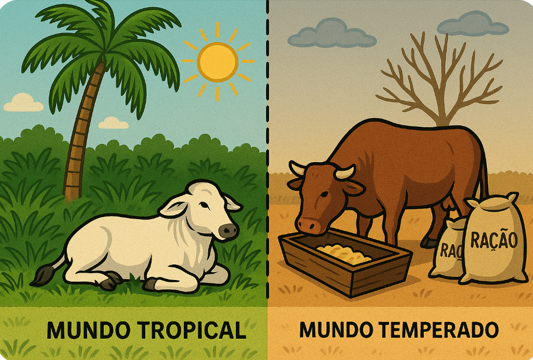
In tropical countries such as Brazil — and the entire Latin American region — endowed with abundant sunlight, water, soil diversity, and biodiversity, agriculture will always be the engine of development.
What Brazil experiences today will, sooner or later, become the reality of the entire continent.
For technicians, professionals, and rural producers, the message is clear:
The future has finally arrived — and it begins in the countryside.
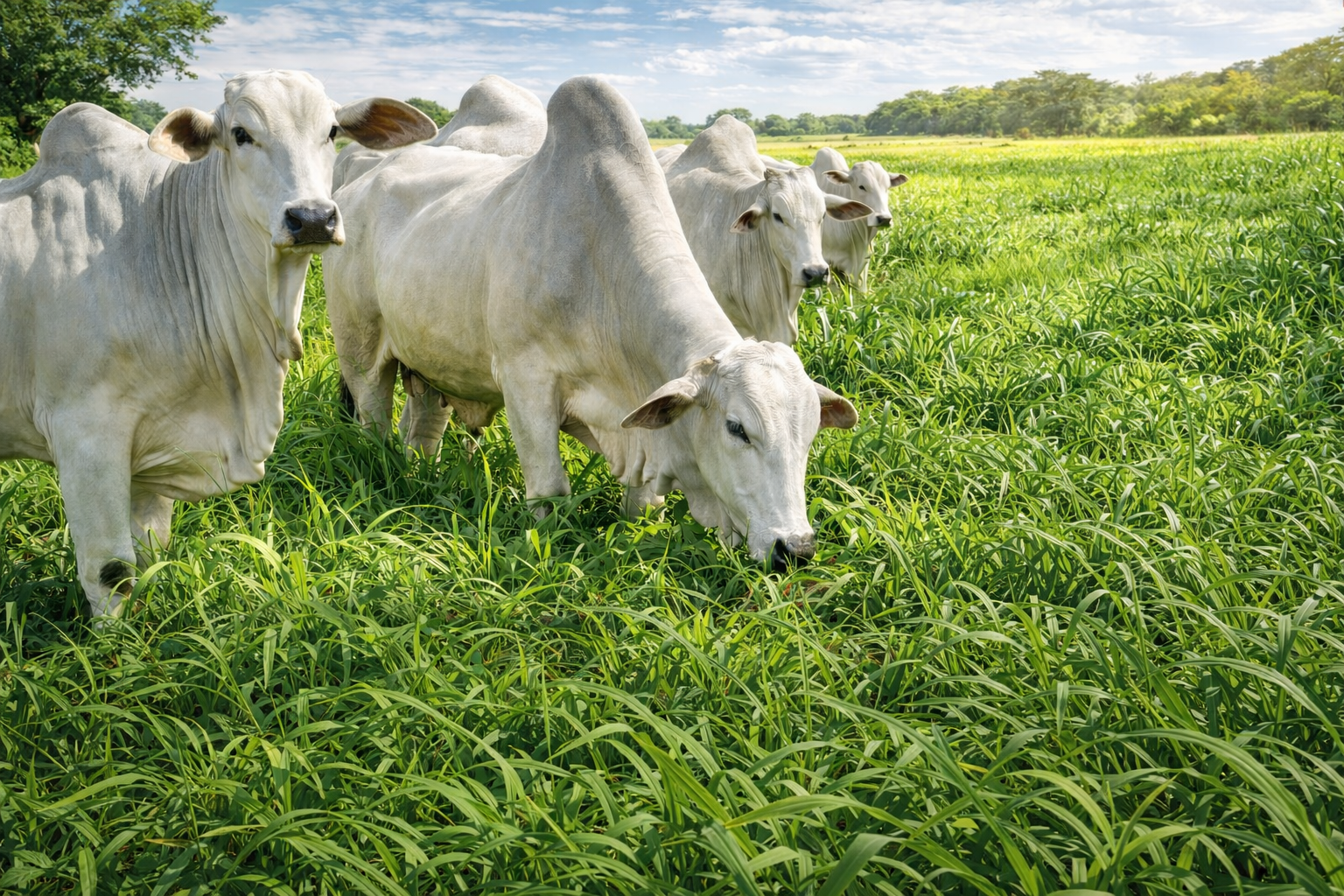
Among the available options, Ruziziensis (Urochloa ruziziensis) and Piatã (Urochloa brizantha cv. BRS Piatã) stand out…
Continue readingEste site usa cookies para aprimorar sua experiência de navegação.