
















Nós usamos cookies
Este site usa cookies para aprimorar sua experiência de navegação.
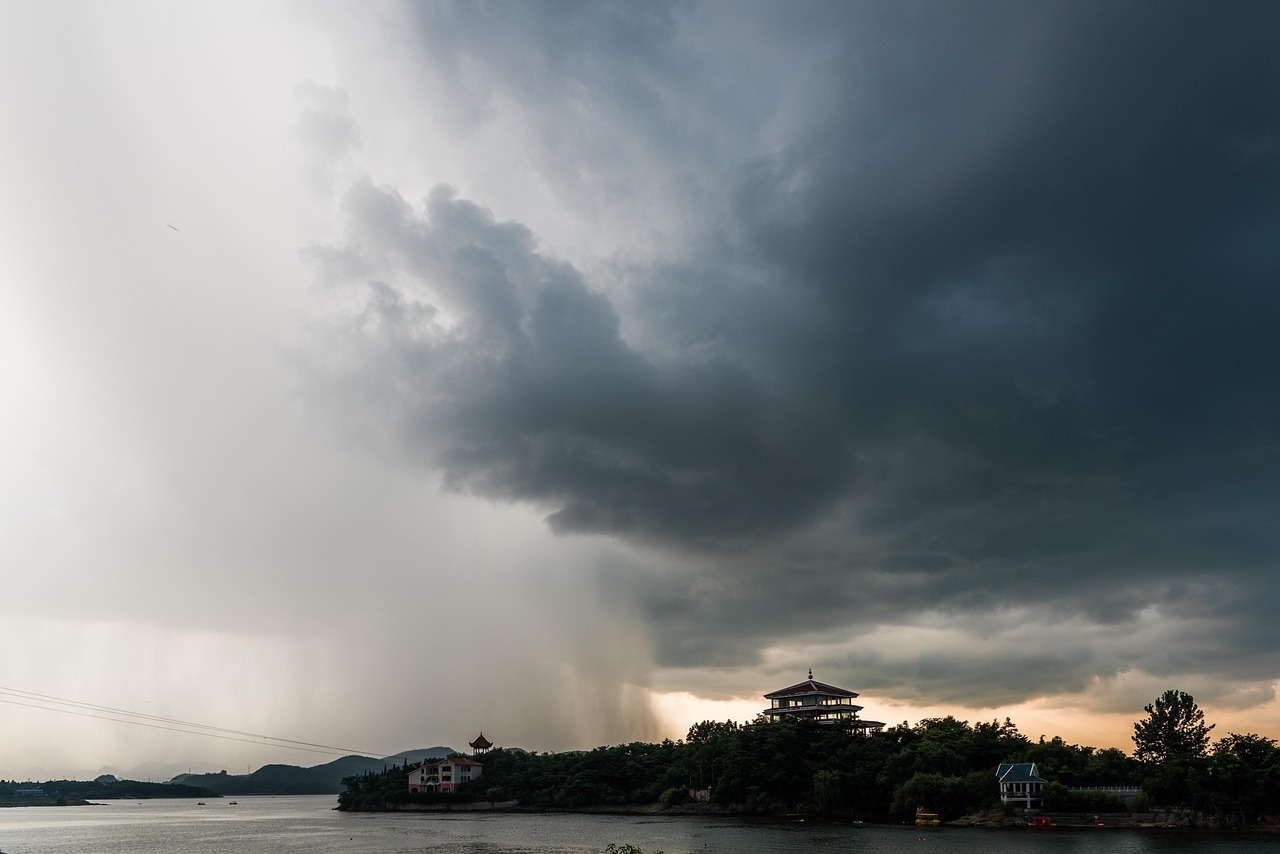
The La Niña phenomenon is once again influencing Brazil’s climate, and forecasts point to a November marked by below-average temperatures and above-average rainfall in several regions of the country.
According to data released by Climatempo, the phenomenon — characterized by the cooling of the Equatorial Pacific Ocean waters — will intensify humidity flow and create persistent rain corridors, especially between the North, Southeast, and Central-West regions.
This scenario may lead to the formation of the South Atlantic Convergence Zone (SACZ), a meteorological system responsible for intense and long-lasting rainfall over several consecutive days.
La Niña is a natural climate pattern that occurs in opposition to El Niño.
While El Niño warms Pacific waters and triggers droughts in some areas, La Niña causes ocean cooling and increased rainfall across tropical and subtropical regions.
In Brazil, the impacts vary by region:
🌦️ More rainfall in the Central-West, Southeast, and North;
❄️ Below-average temperatures in the South and Southeast;
🌤️ Fewer storms in Rio Grande do Sul;
☀️ Increased rainfall in Bahia and parts of the Northeast.
The Southeast will be one of the most affected regions.
Forecasts indicate below-average temperatures and frequent rainfall, especially in São Paulo, Minas Gerais, and Rio de Janeiro, where several consecutive weeks of cloudy and humid weather are expected.
The Central-West region will also feel the impact of La Niña, with strong storms and multiple consecutive days of rain.
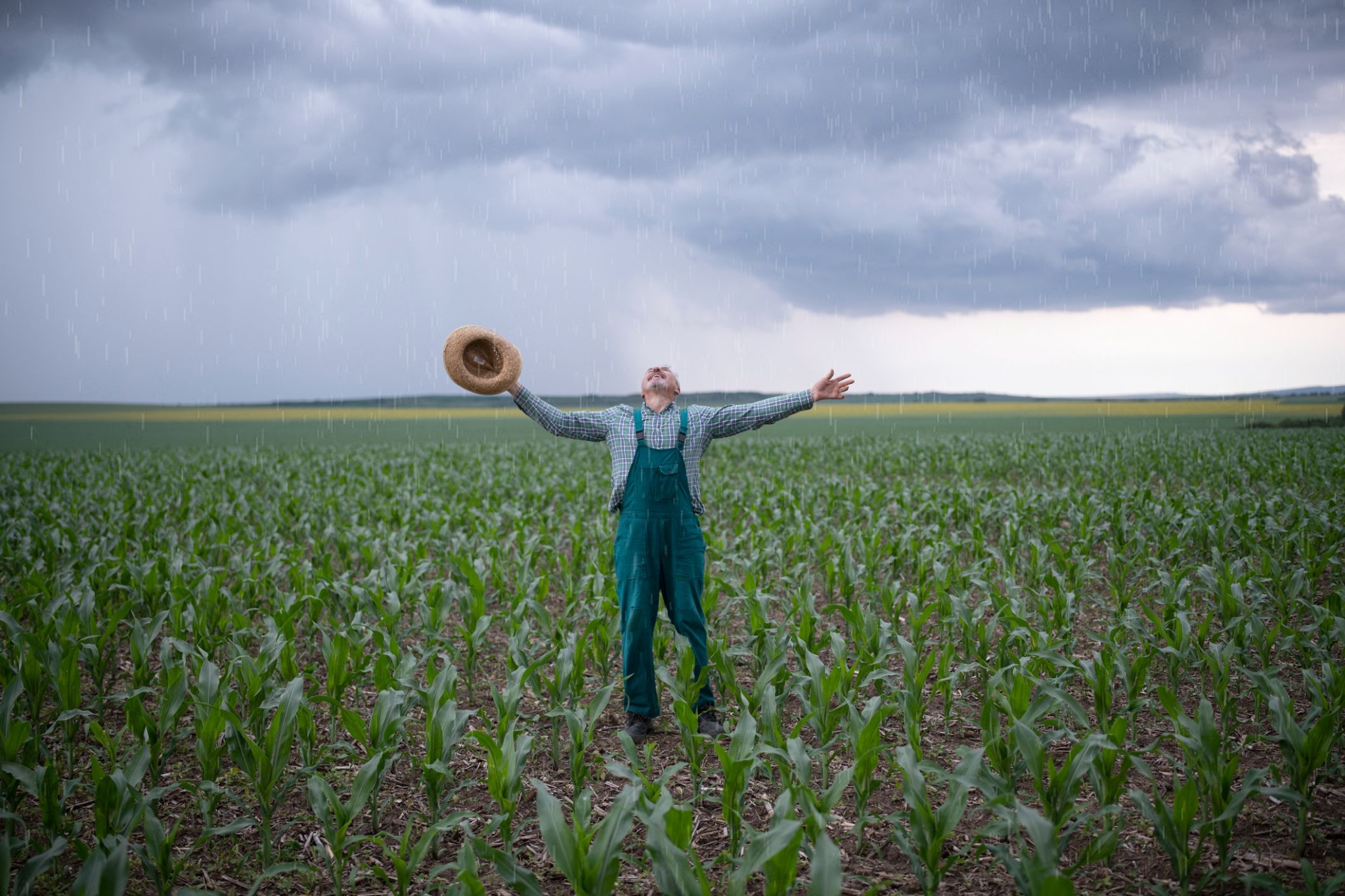
Persistent fog and high humidity may limit temperature increases and affect harvesting and planting schedules in agricultural areas.
In the Northeast, La Niña should not bring major changes — except in Bahia, where rainfall volumes are expected to increase throughout the month.
In the South, the effects will be different.
The state of Rio Grande do Sul is likely to experience fewer storms and rainfall below the monthly average, after several months of excessive precipitation.
The influence of La Niña on rainfall and temperature patterns brings both challenges and opportunities for agriculture and livestock.
For farmers, excessive rainfall can delay harvests and plantings, increase logistical challenges, and require careful soil and pasture management.
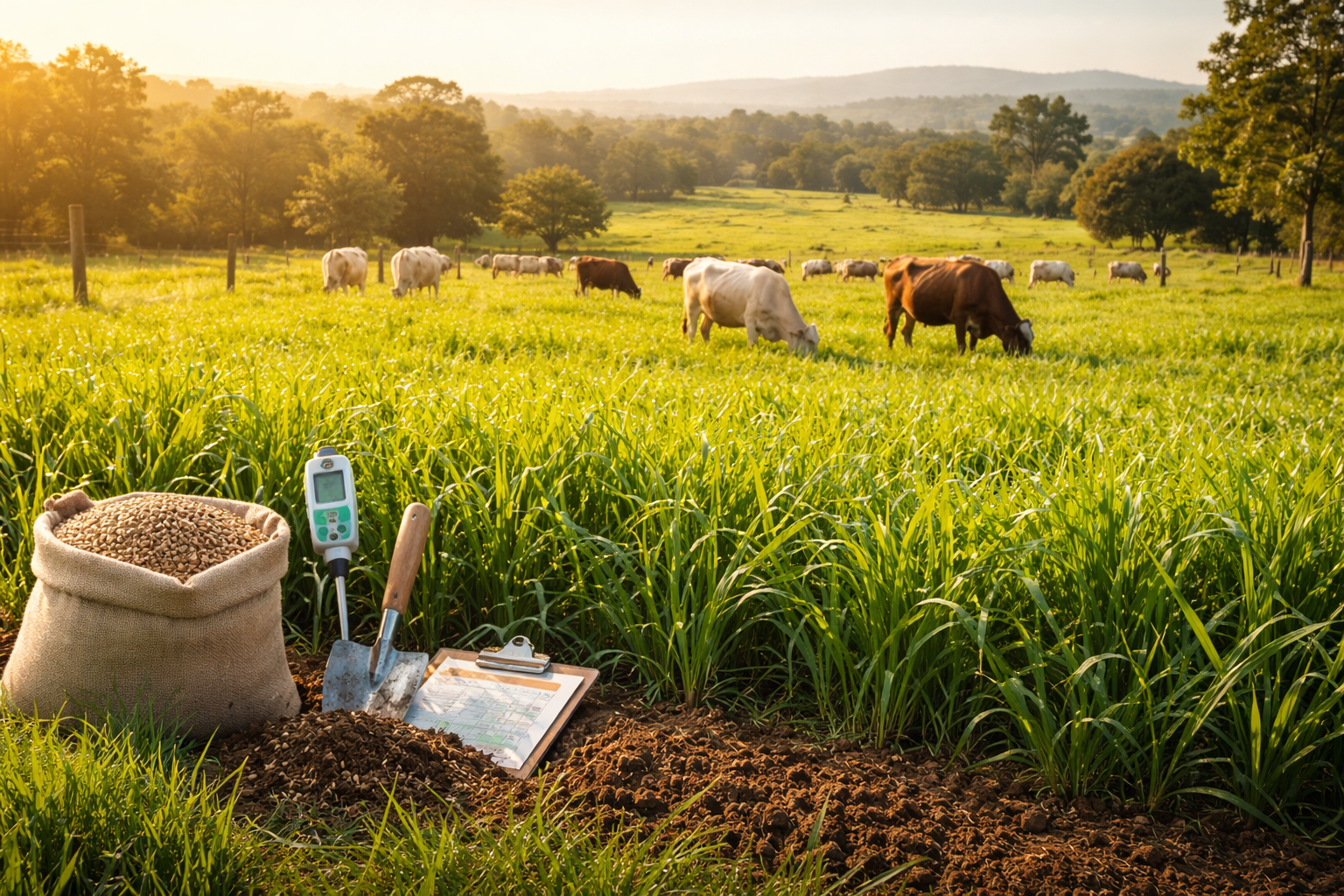
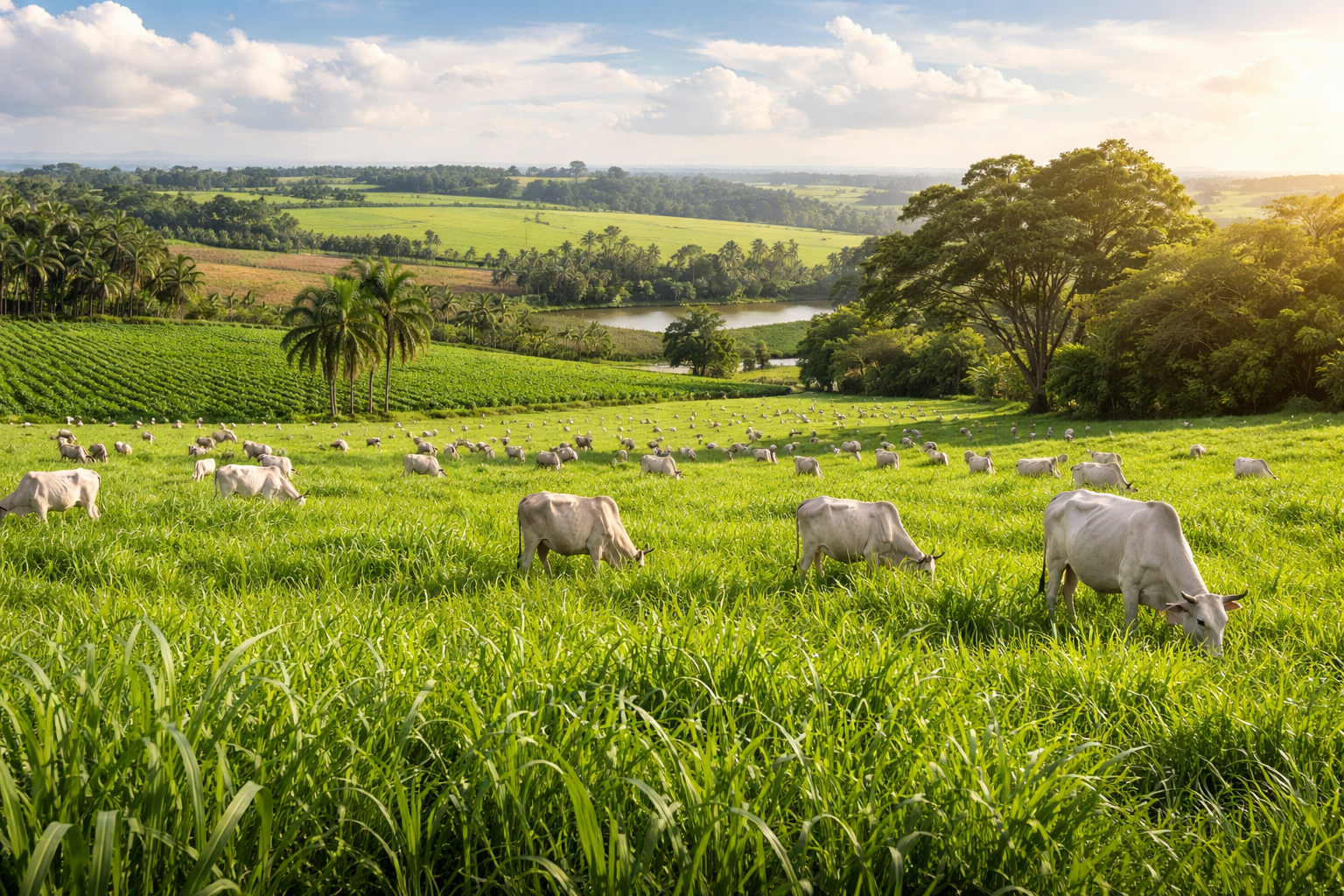
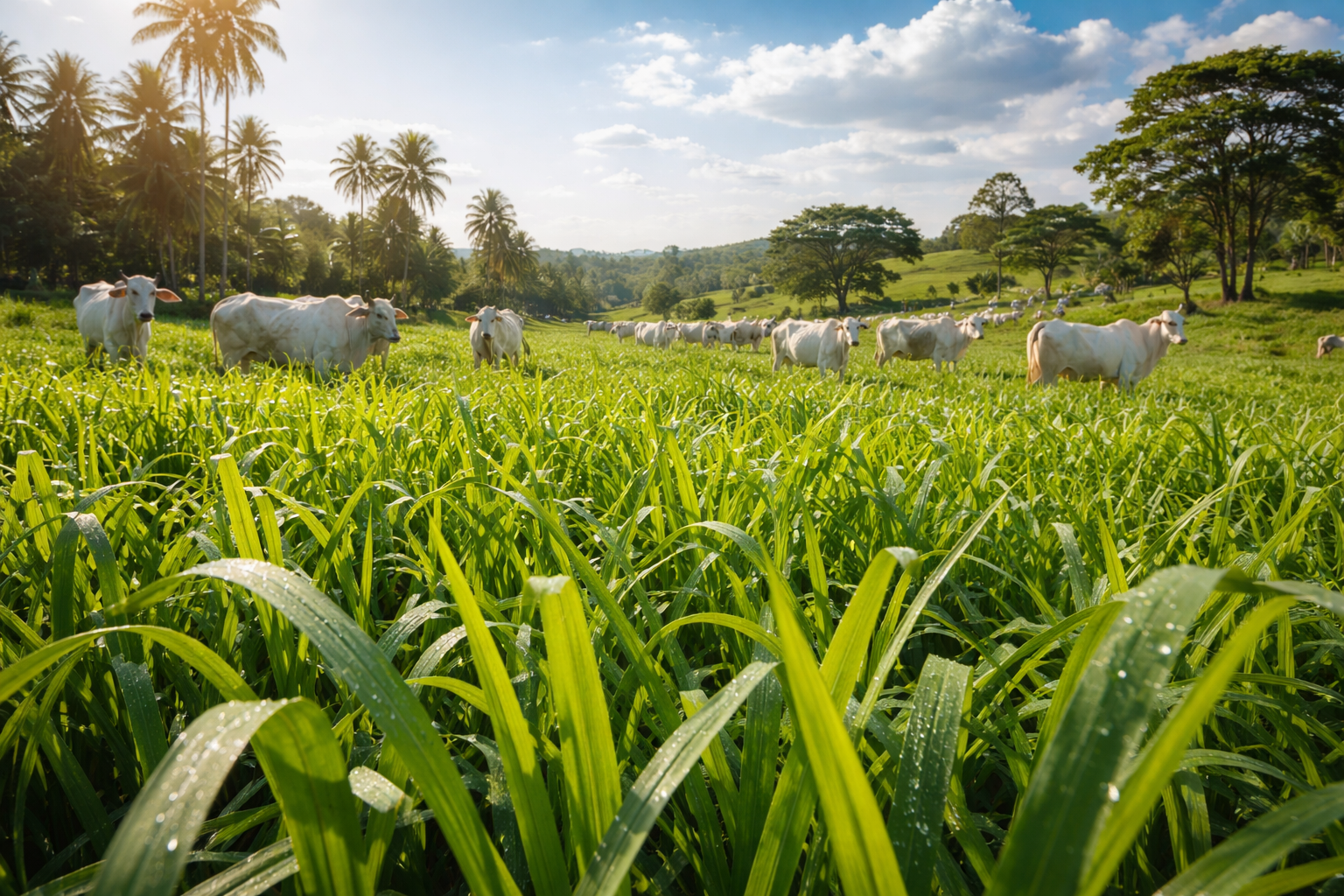
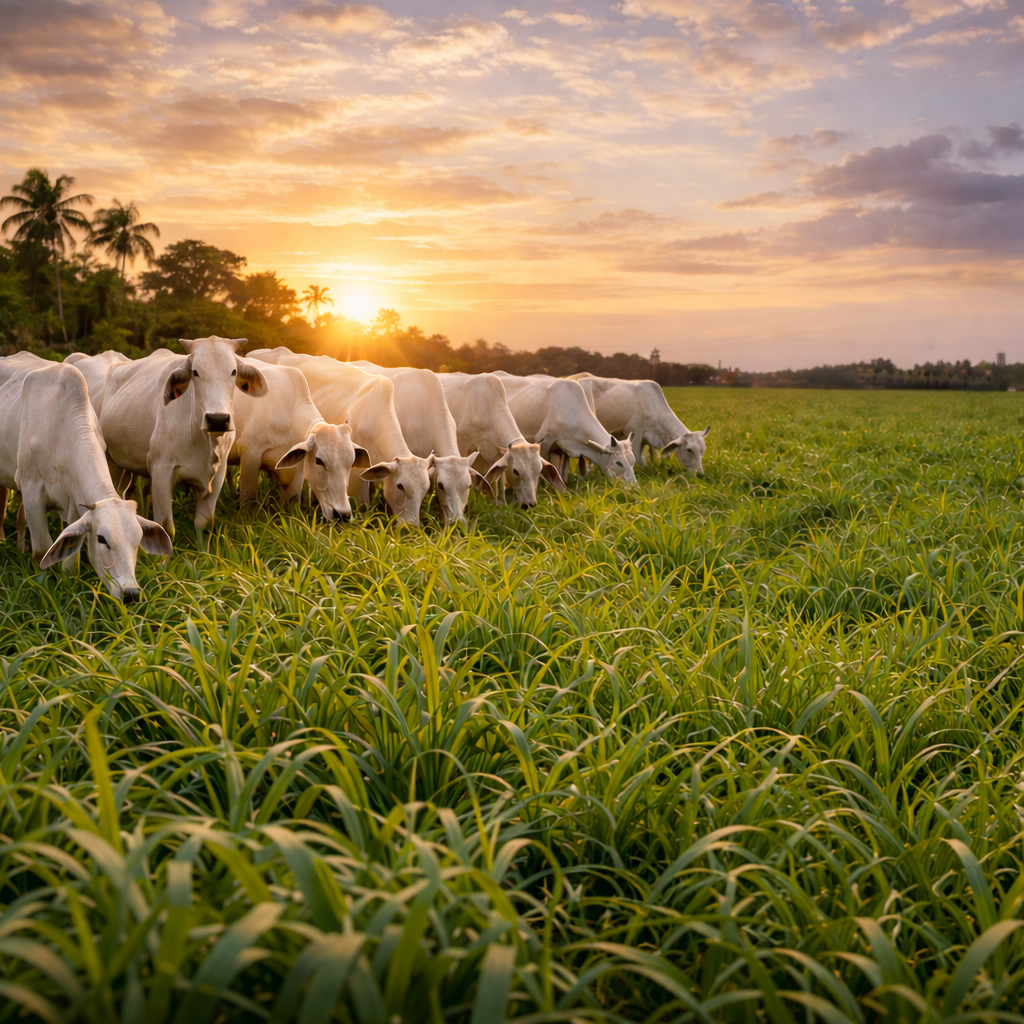
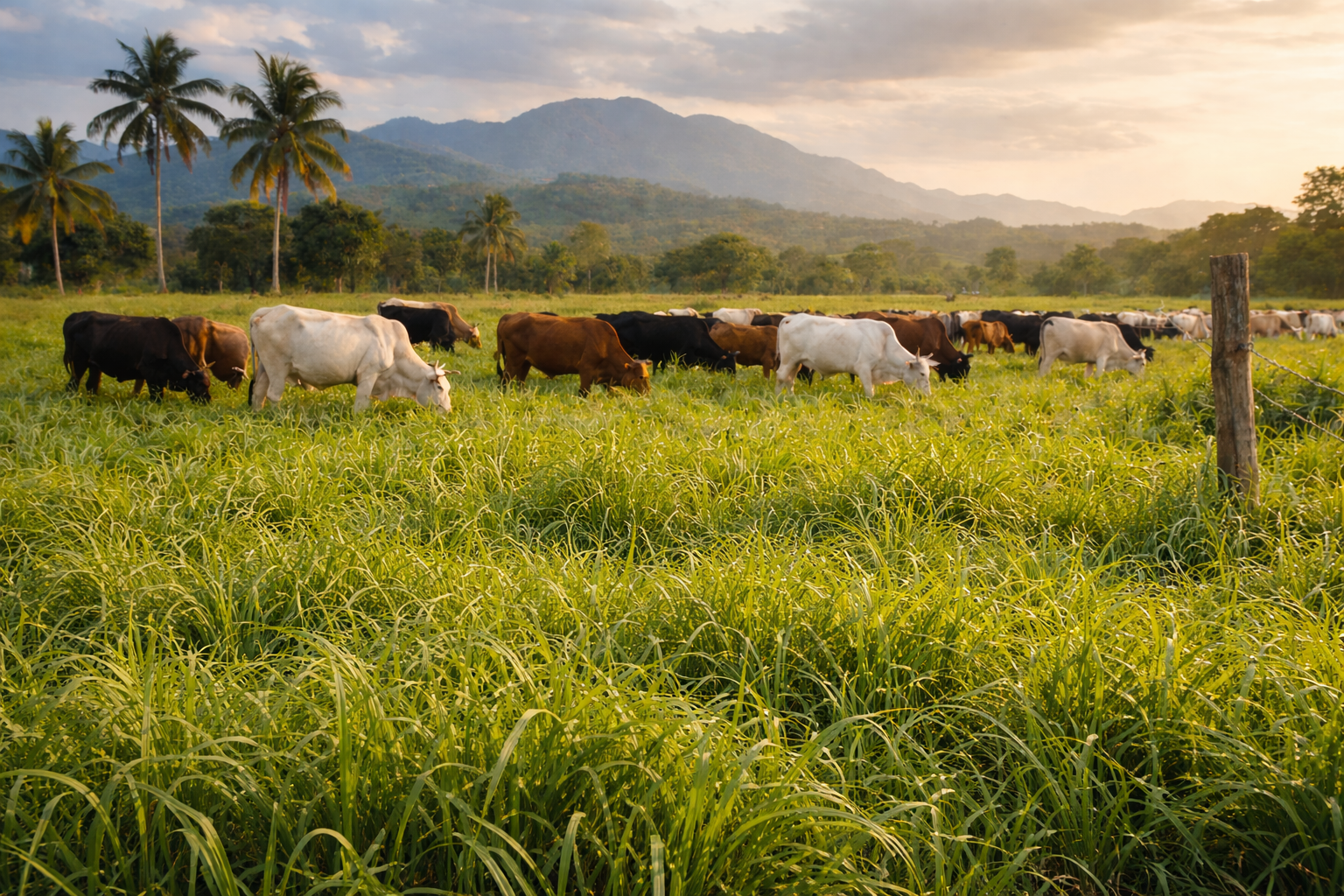
On the other hand, in regions that recently experienced drought, the rise in humidity favors pasture recovery, reservoir replenishment, and better development of summer crops.
La Niña serves as a reminder of nature’s strength and the importance of climate planning in agribusiness.
In November, Brazil is expected to face heavy rainfall, lower temperatures, and high humidity across much of the country.
For rural producers, staying informed and adopting the right management strategies is essential to reduce risks and take advantage of favorable conditions that this phenomenon can bring.
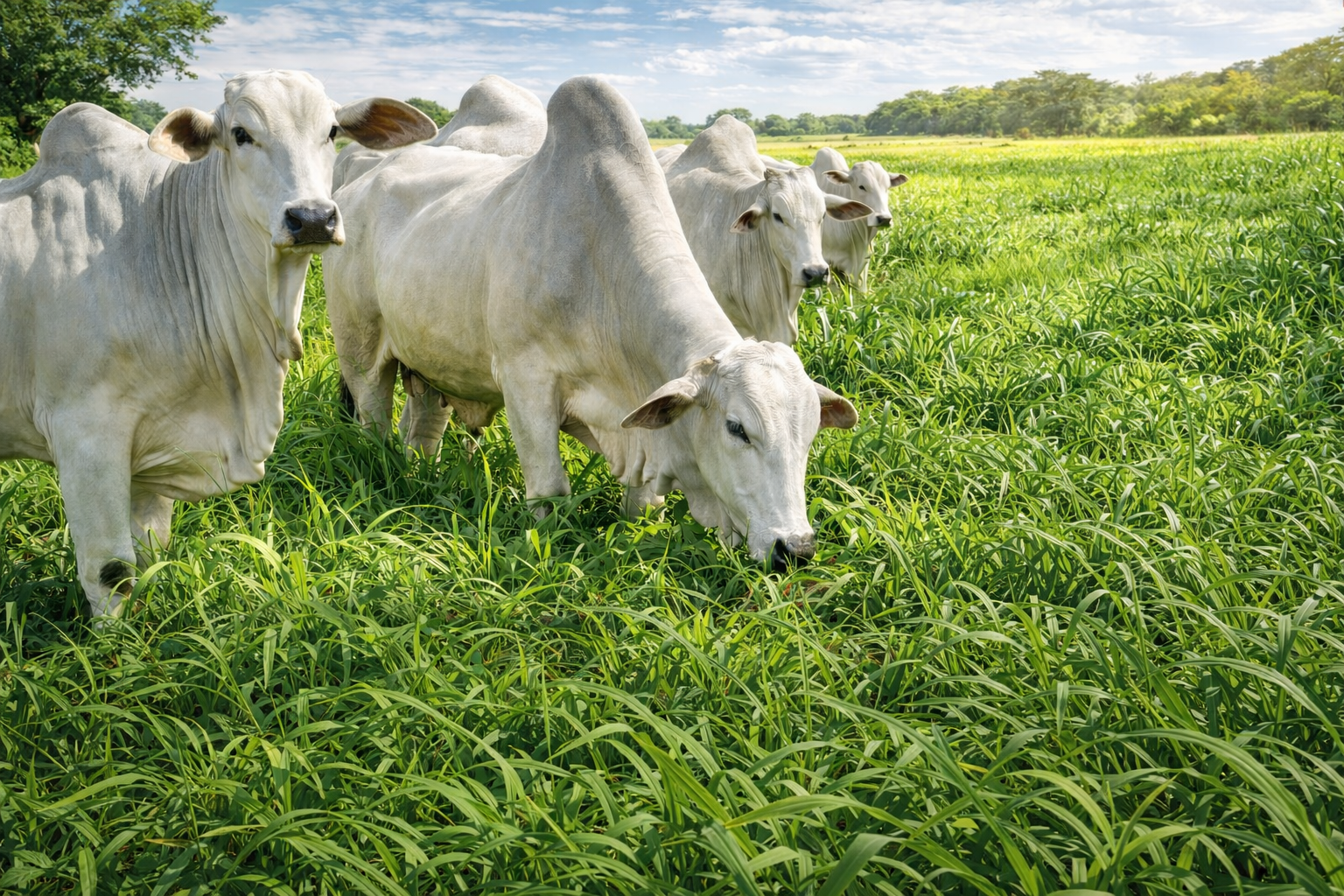
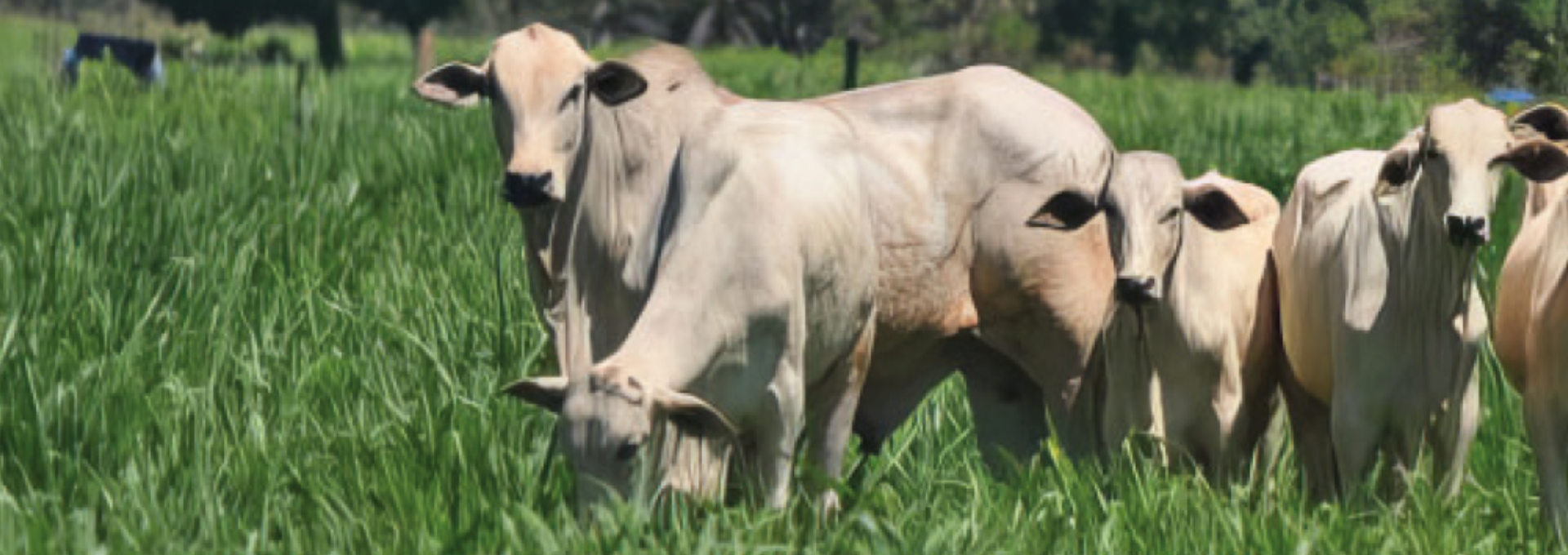
Among the available options, Ruziziensis (Urochloa ruziziensis) and Piatã (Urochloa brizantha cv. BRS Piatã) stand out…
Continue readingEste site usa cookies para aprimorar sua experiência de navegação.