












Nós usamos cookies
Este site usa cookies para aprimorar sua experiência de navegação.
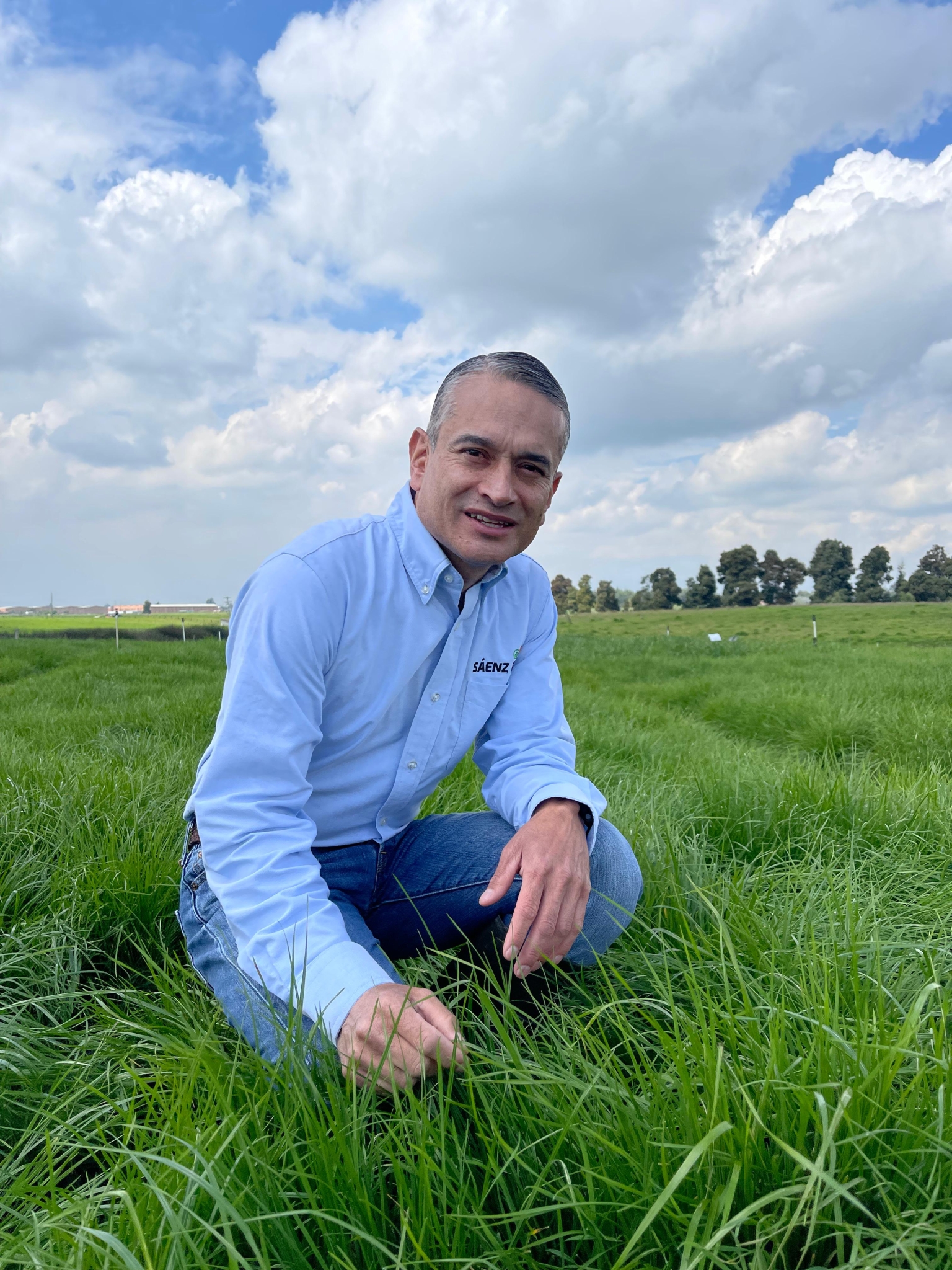
A technical work prepared by Raúl Rojas Cortés, Zootechnician and Director of the Forage Division at Sáenz Fety (Colombia)
Content developed in collaboration with SGM Seeds to strengthen technical exchange across Latin America.
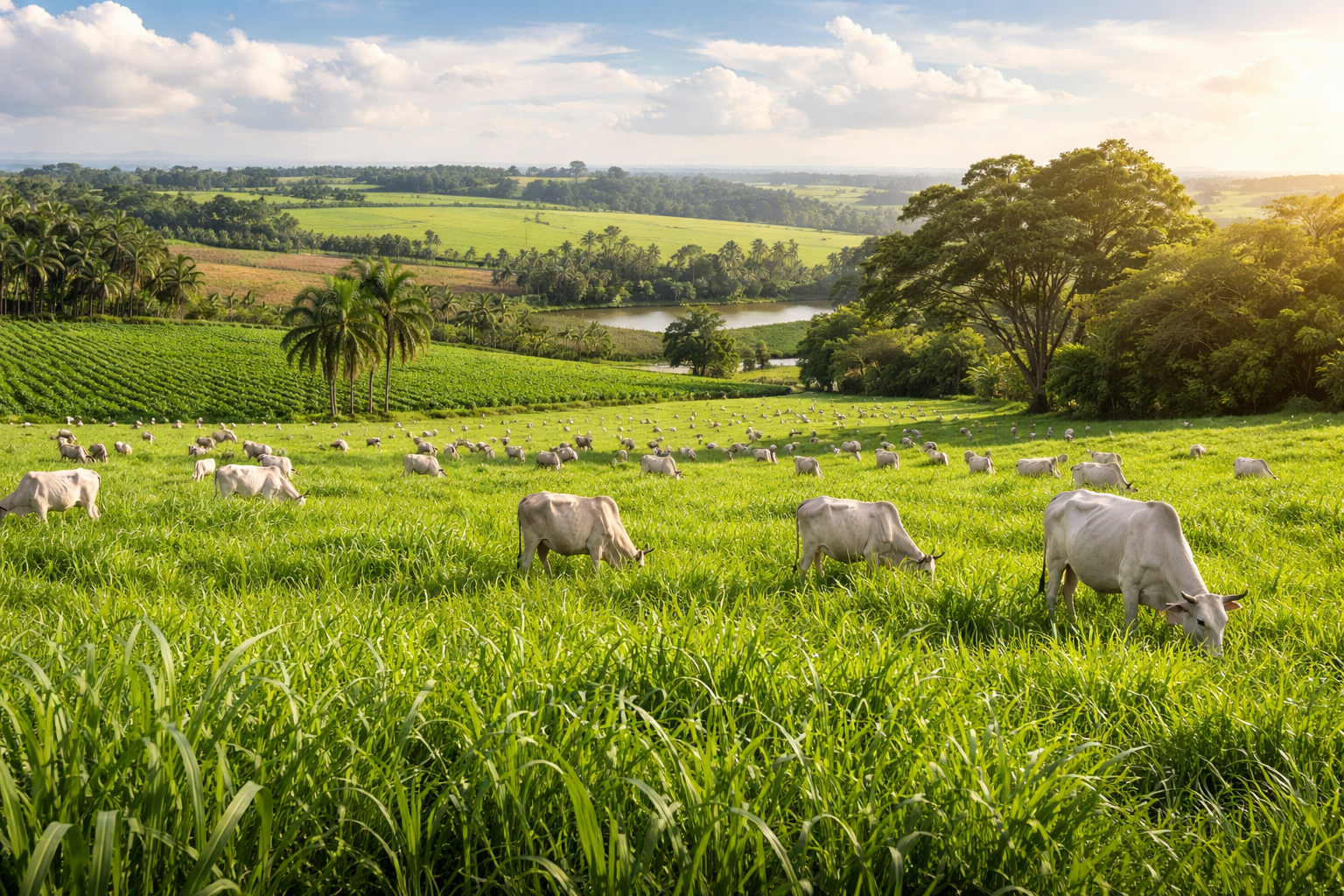
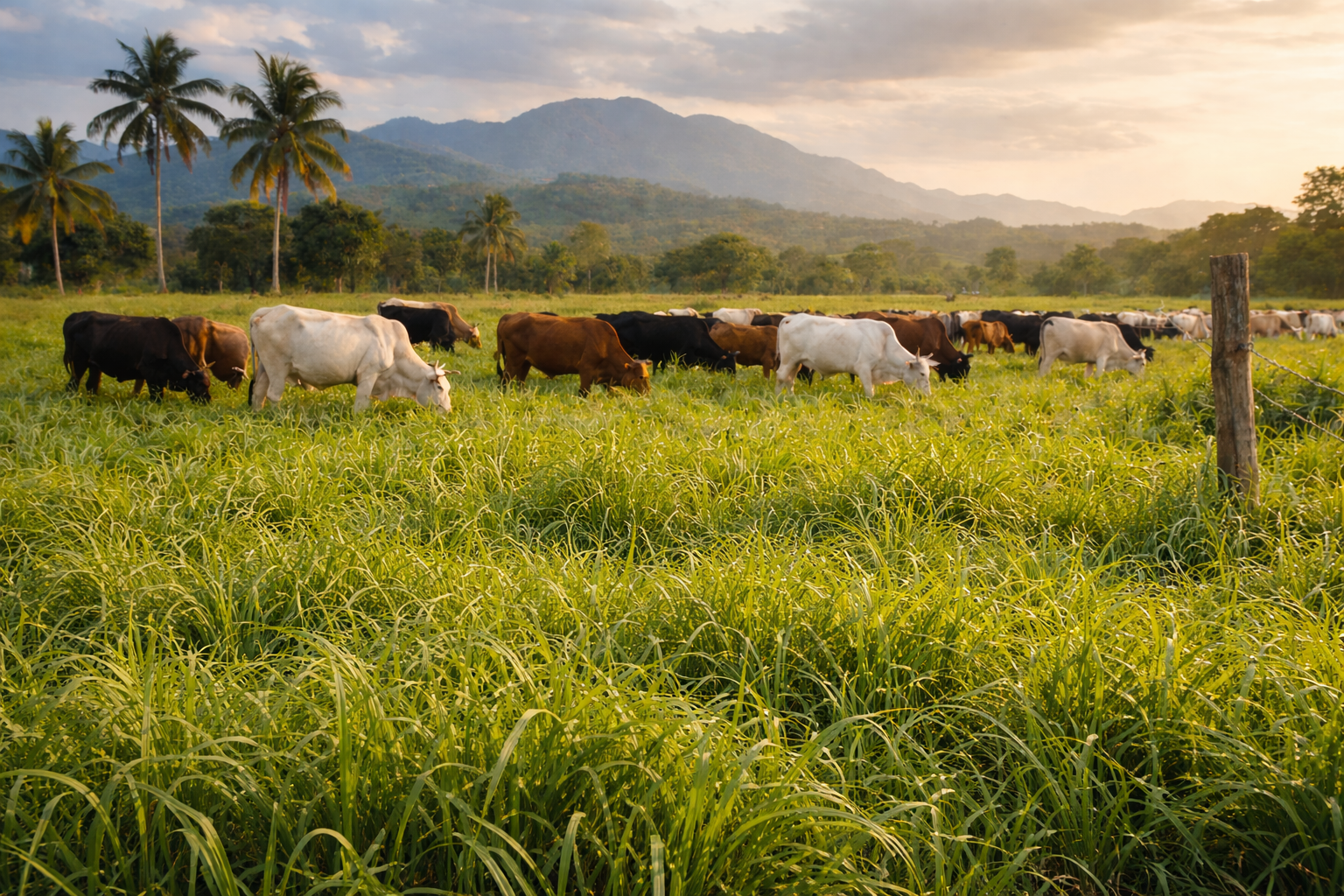
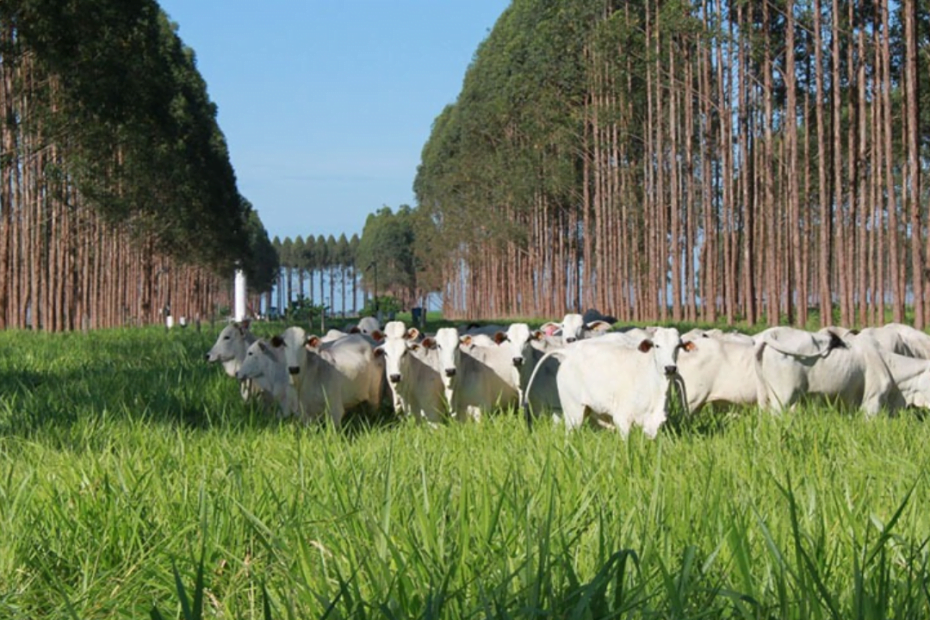
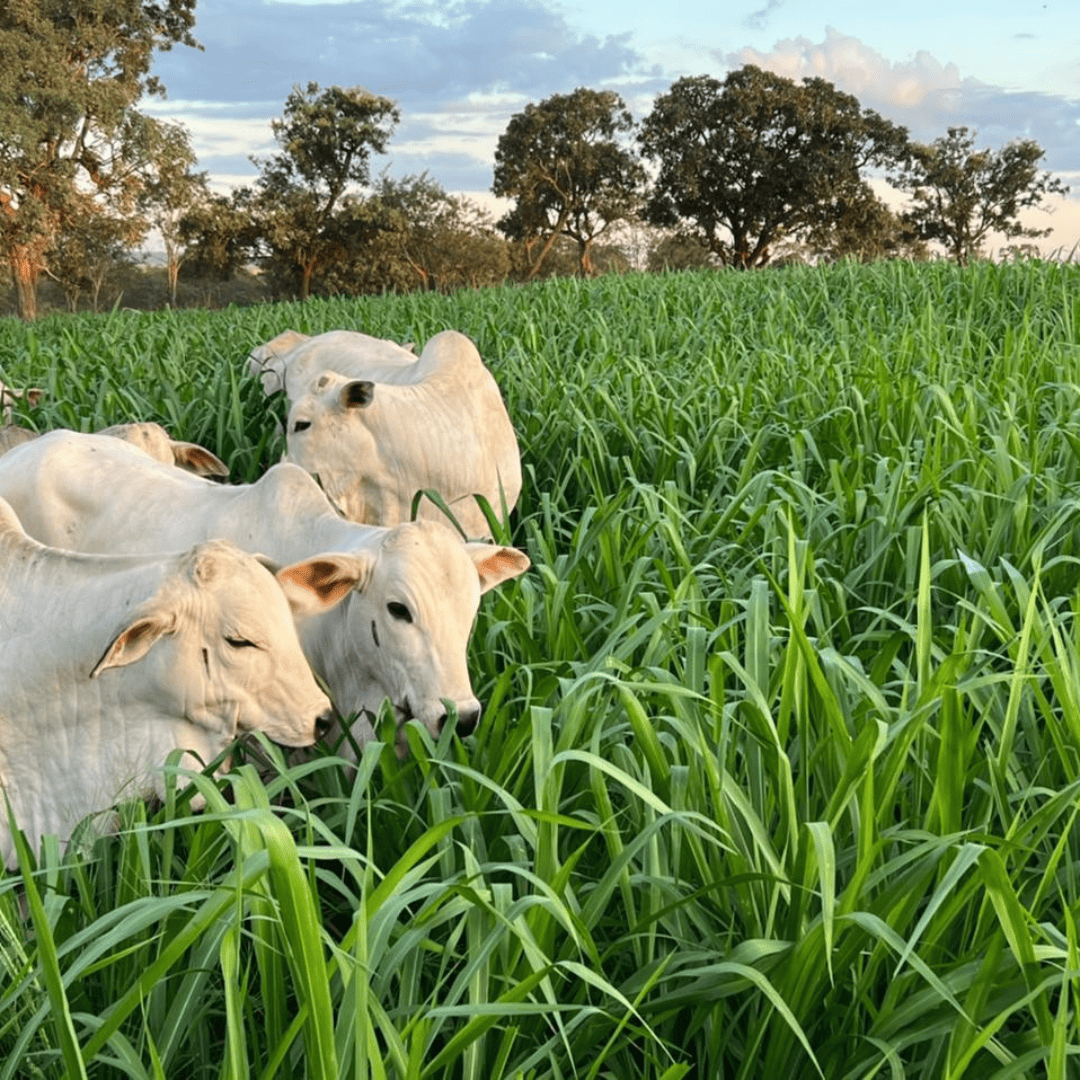
As highlighted by Colombian specialist Raúl Rojas Cortés, grass is the most economical and strategic feed for cattle. For this reason, improving the use of grass is essential to increase farm profitability.
When grass is not managed as an agricultural crop, productivity tends to decline, resulting in pastures with medium or low performance. Proper grass management means harvesting at the right moment, respecting the limits of the plant, and ensuring that it has the appropriate conditions to regrow and sustain a healthy livestock system.
According to Raúl Rojas Cortés, choosing the ideal forage species depends on the characteristics of the farm and the type of production system — not on trends, market fashions, or results from other properties.
Key criteria include:
location and altitude;
soil type;
drainage and moisture;
temperature;
rainfall;
presence of irrigation;
type of animals and production system.
This diagnosis is the first step toward selecting the forage that truly adapts to the local environment, ensuring longevity and productivity.
The technical document presents an objective protocol for establishing pastures, based on best practices and decades of research in forage management.
The steps include:
measurement of paddocks;
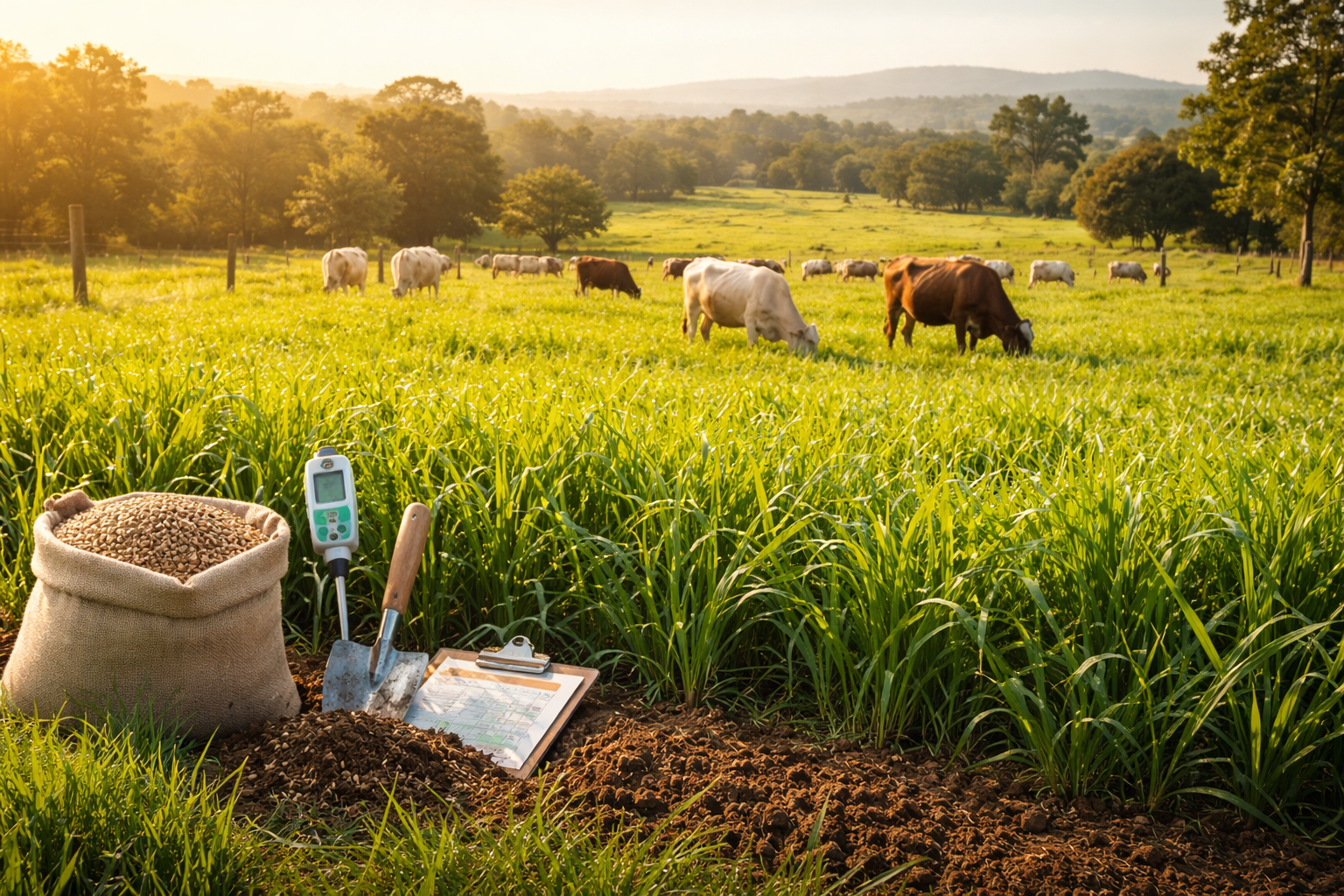
soil analysis;
selection of the forage material;
weed control;
physical soil preparation;
incorporation of soil amendments;
superficial seeding and light compaction;
initial and maintenance fertilization;
weed control;
pest management.
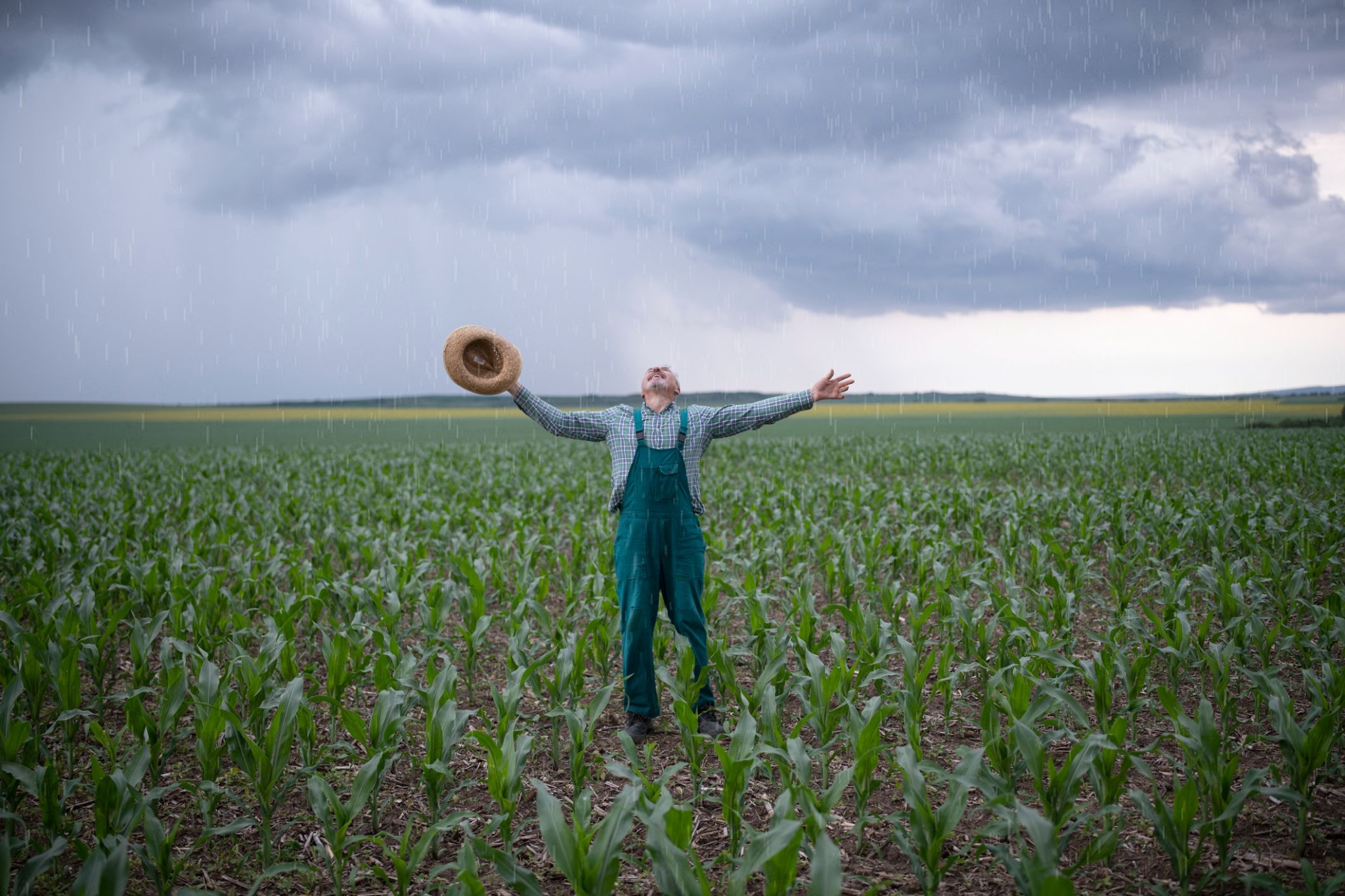
Rojas emphasizes that the beginning of the rainy season is the best time to establish tropical pastures, as the first 30–45 days require constant moisture.
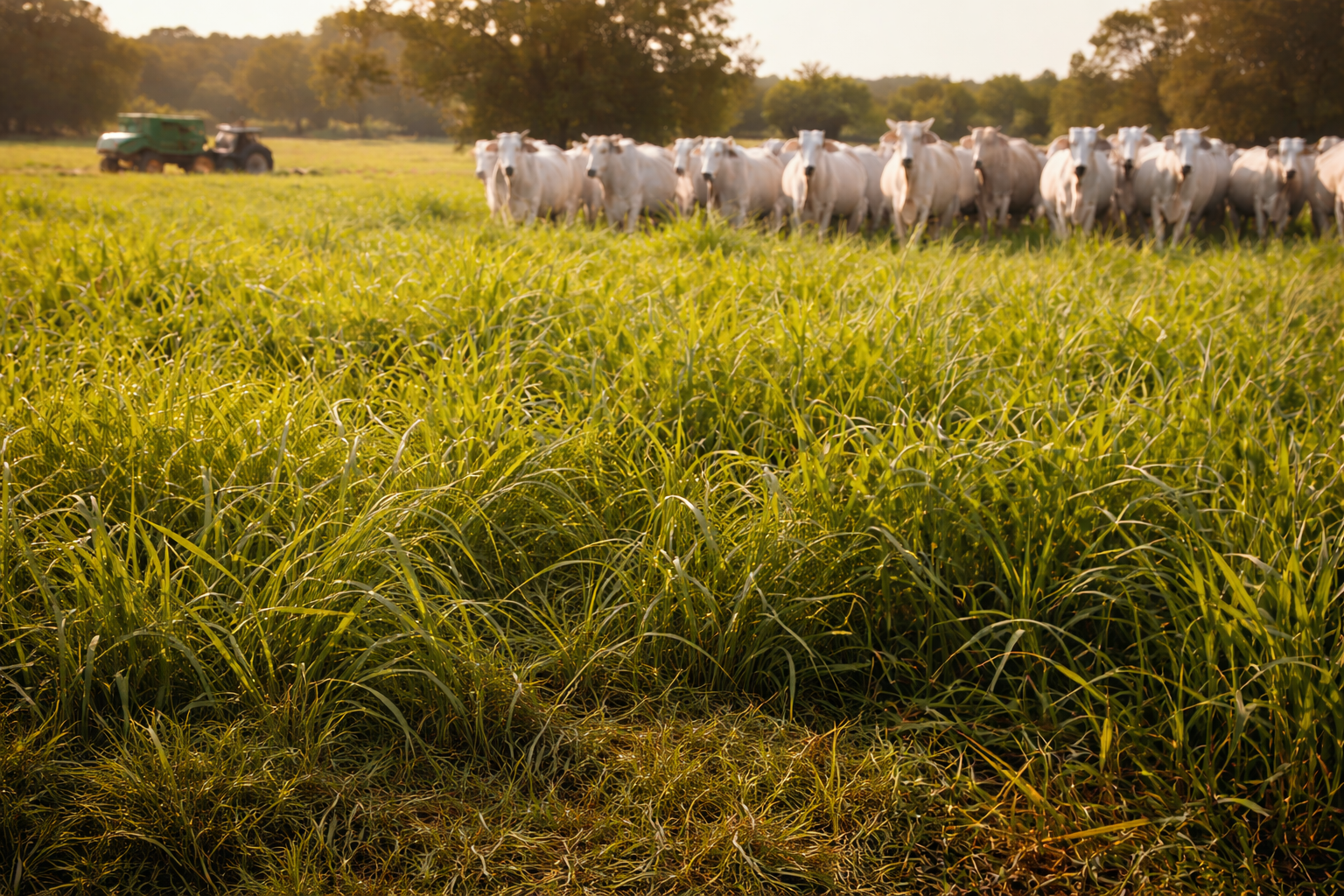
The intensity of grazing determines the degree of defoliation and directly affects canopy structure, root production, and plant recovery.
The data presented by Rojas show that respecting ideal grazing heights increases:
daily milk production;
weight gain;
farm stocking capacity.
The results demonstrate that proper management yields more kilograms per hectare and reduces the cost per kilogram of forage produced.
Raúl Rojas Cortés concludes his work with a phrase that summarizes the entire philosophy of intelligent pasture management:
“Grass is the most economical feed we can offer ruminants — and it must be managed as a crop.”
This material is the result of the bibliographic work and practical experience of Raúl Rojas Cortés, technical ally of SGM Seeds in Colombia and a continental reference in pasture management.
By giving visibility to the author, we reinforce the importance of technical exchange and collaborative knowledge-building among tropical countries such as Brazil, Colombia, and the rest of Latin America.
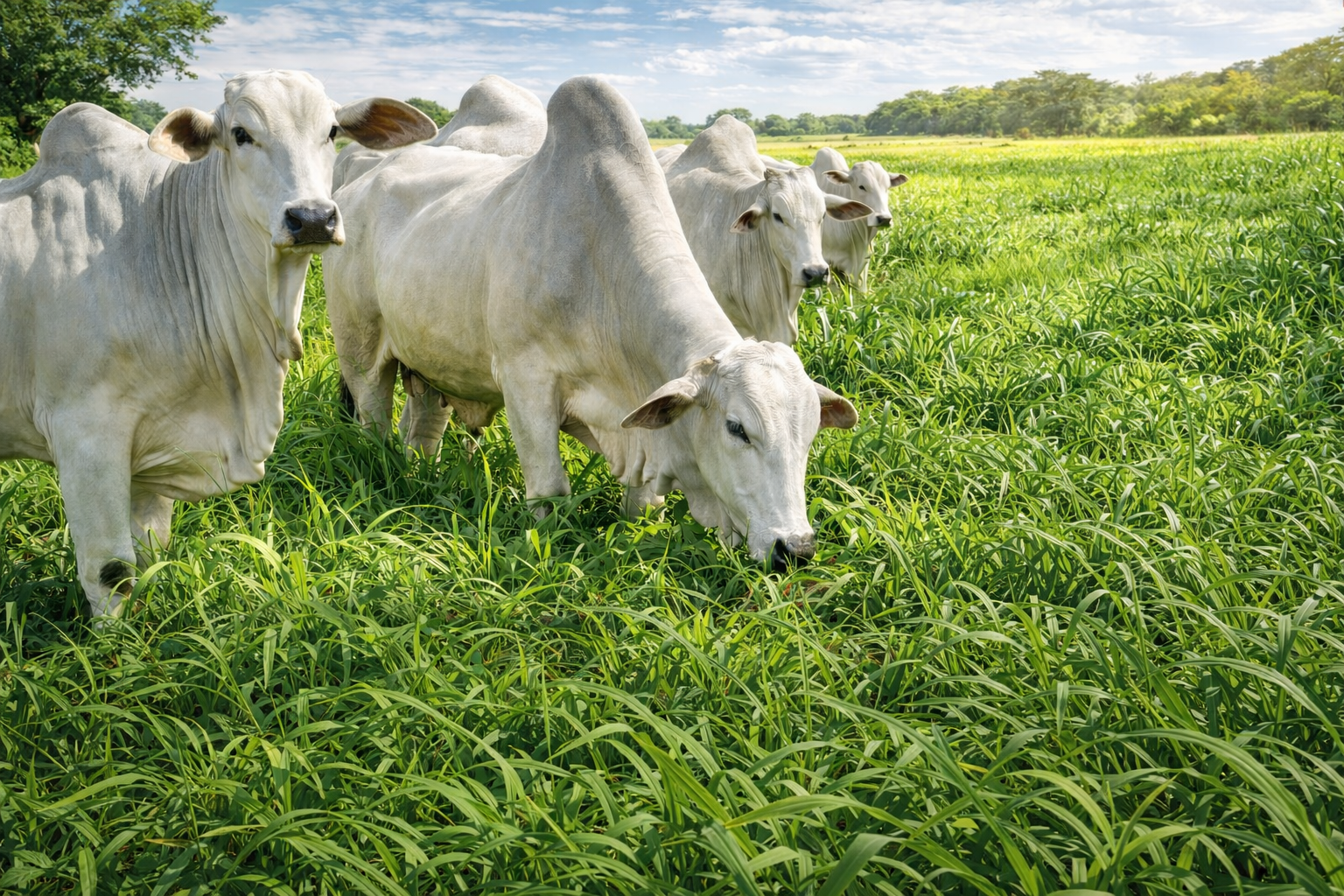
Among the available options, Ruziziensis (Urochloa ruziziensis) and Piatã (Urochloa brizantha cv. BRS Piatã) stand out…
Continue readingEste site usa cookies para aprimorar sua experiência de navegação.