What Is Seed Traceability?
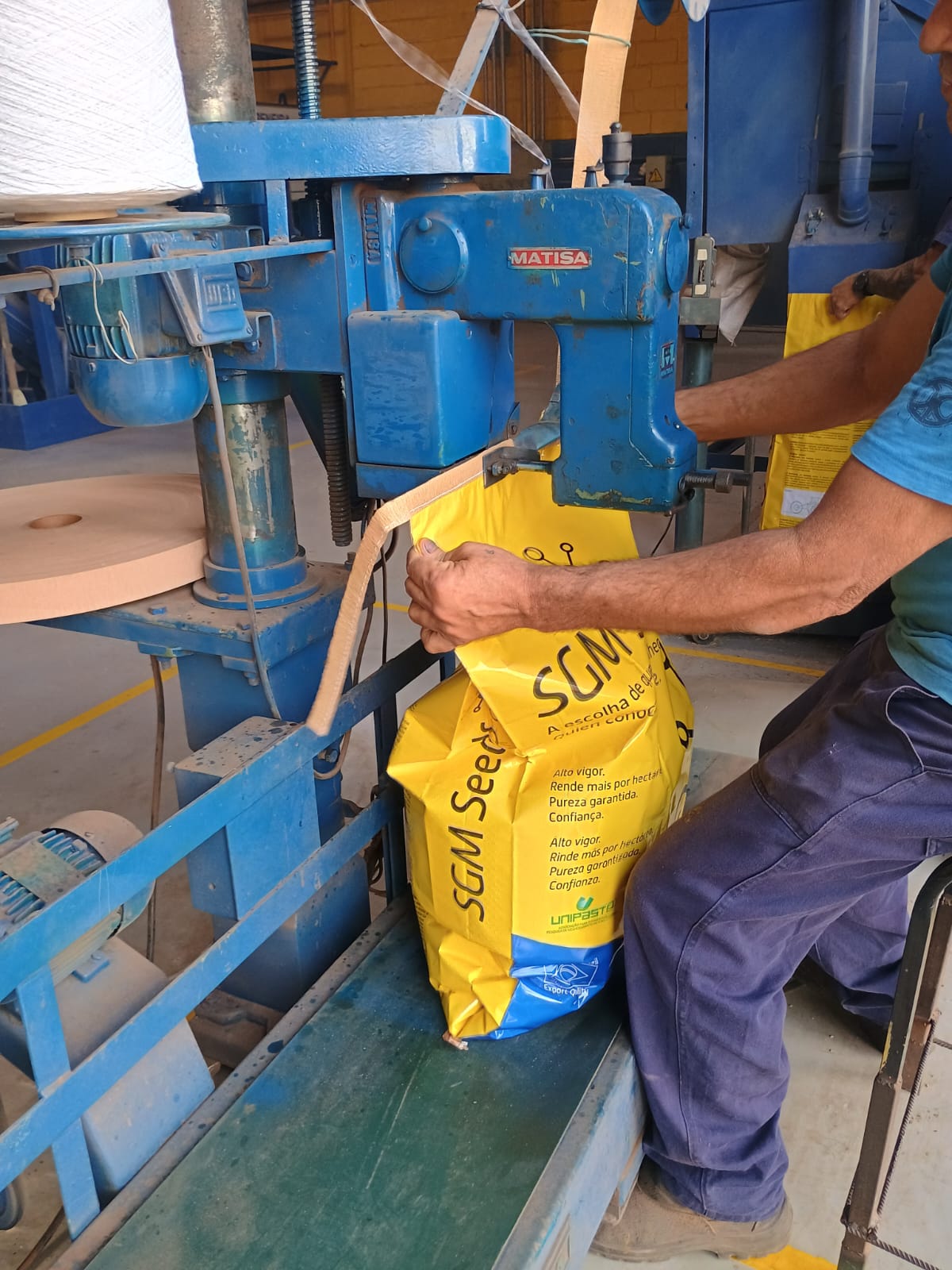
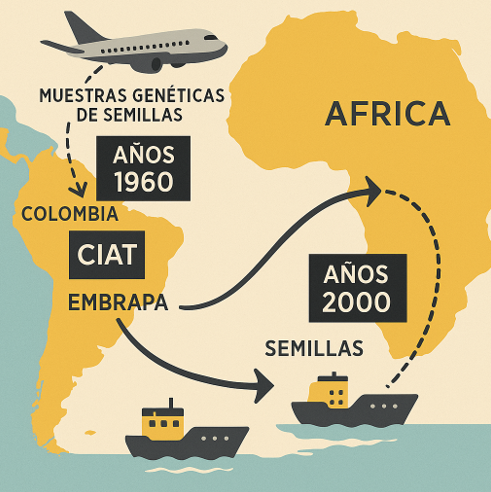
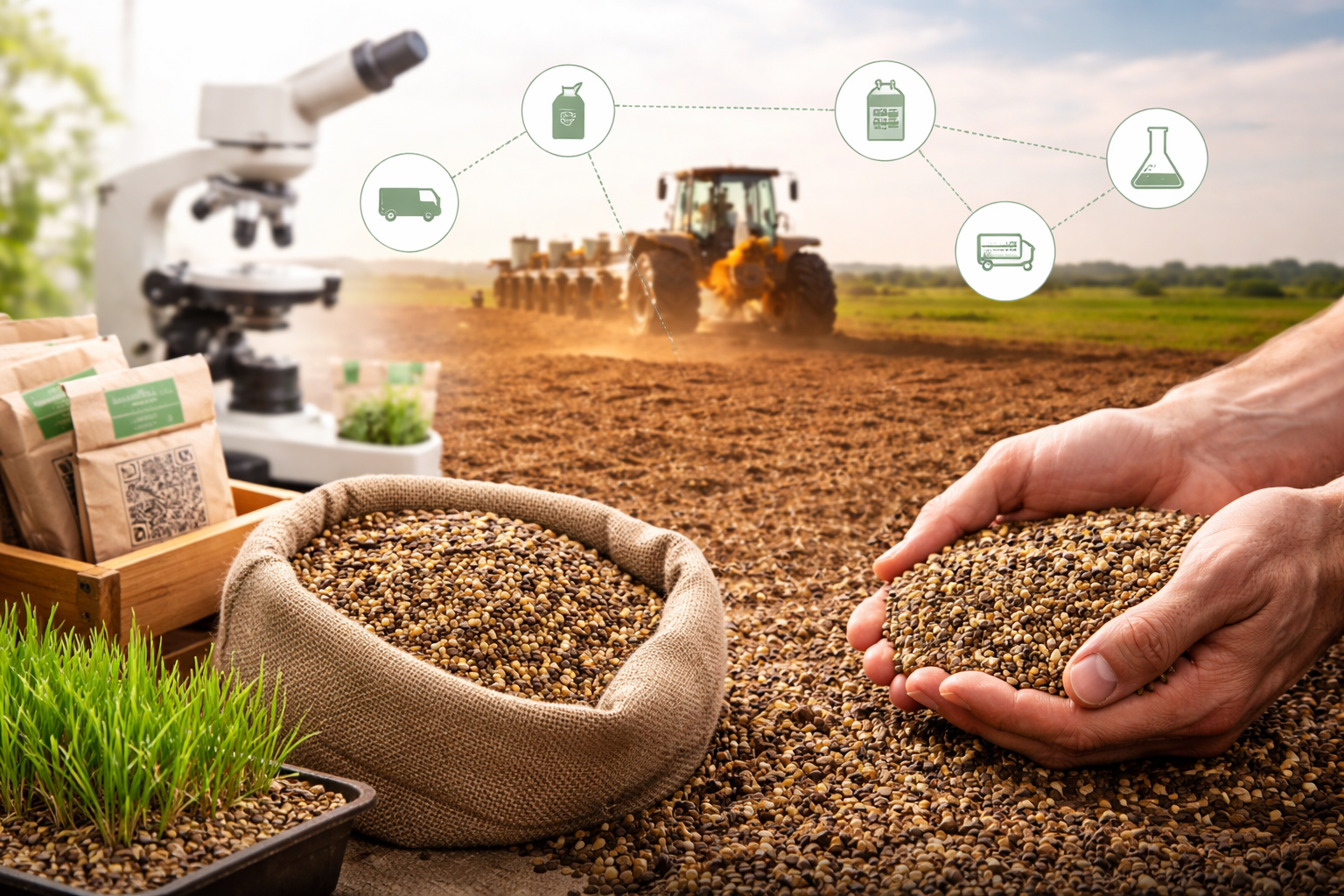
Traceability is the ability to track the entire journey of a seed — from its origin in the production field to the moment it is planted.
It includes:
- Preserved genetic origin
- Lot identification
- Processing history
- Laboratory testing (germination, vigor, purity, moisture)
- Storage and transportation control
In practice, it is a system that ensures transparency, control, and technical accountability at every stage.
Why Has It Become the New Standard?
1. Risk Reduction in the Field
Pasture or crop establishment begins with the seed. When there are failures in origin or quality, losses are inevitable.
Traceability reduces uncertainty and increases predictability of results.
2. Professionalization of Agriculture
Latin American producers have evolved. Today, decisions are based on data, history, and performance — no longer just price or appearance.
3. International Scale
With the growth of exports and global presence, agribusiness companies must meet stricter standards.
Traceability ensures compliance and strengthens reputation in international markets.
4. Continuous Control (Not Occasional)
It is no longer enough to test once. The new standard requires ongoing quality monitoring, simulating adverse conditions and anticipating potential failures.
Traceability vs. “Purity”: What Really Matters?
For a long time, the market relied on “purity” as the main indicator of quality.
Today, that is only the baseline.
What truly differentiates a seed is:
- Vigor (ability to emerge under adverse conditions)
- Genetic stability
- Controlled history lot by lot
- Resistance during transport and storage
In other words: it’s not about what the seed is on paper, but how it performs in practice.
Direct Impact on Productivity
Traceability is not just a technical concept — it directly impacts the producer’s results:
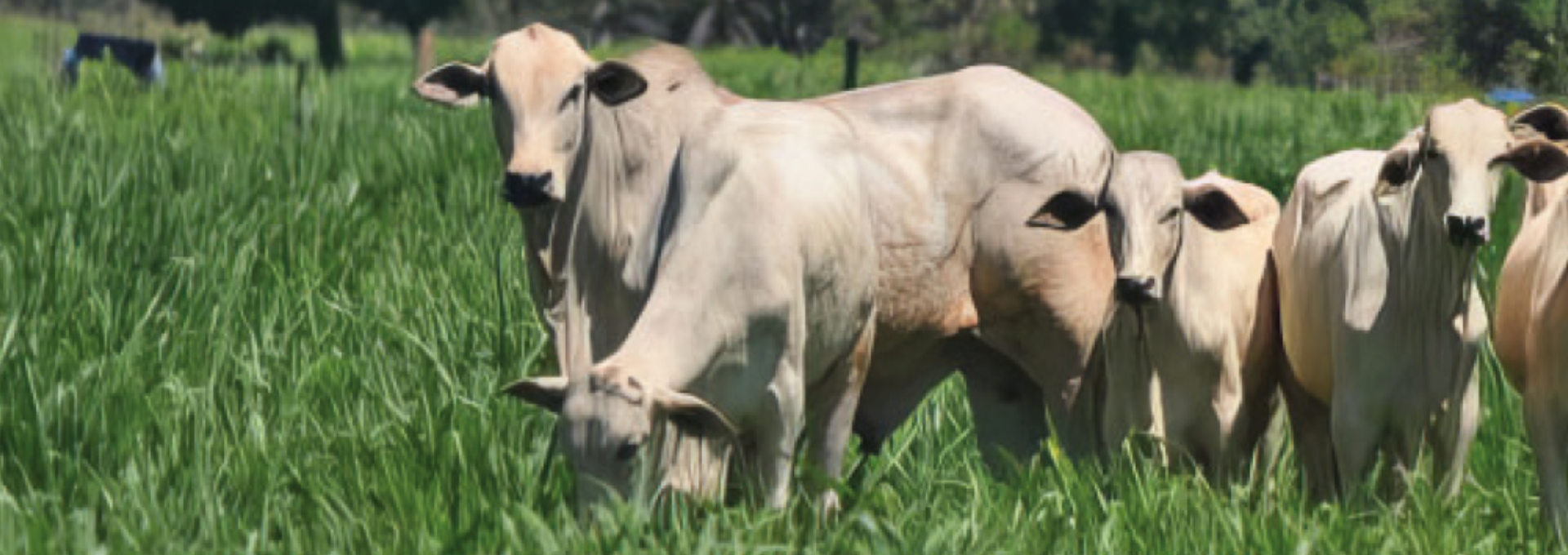
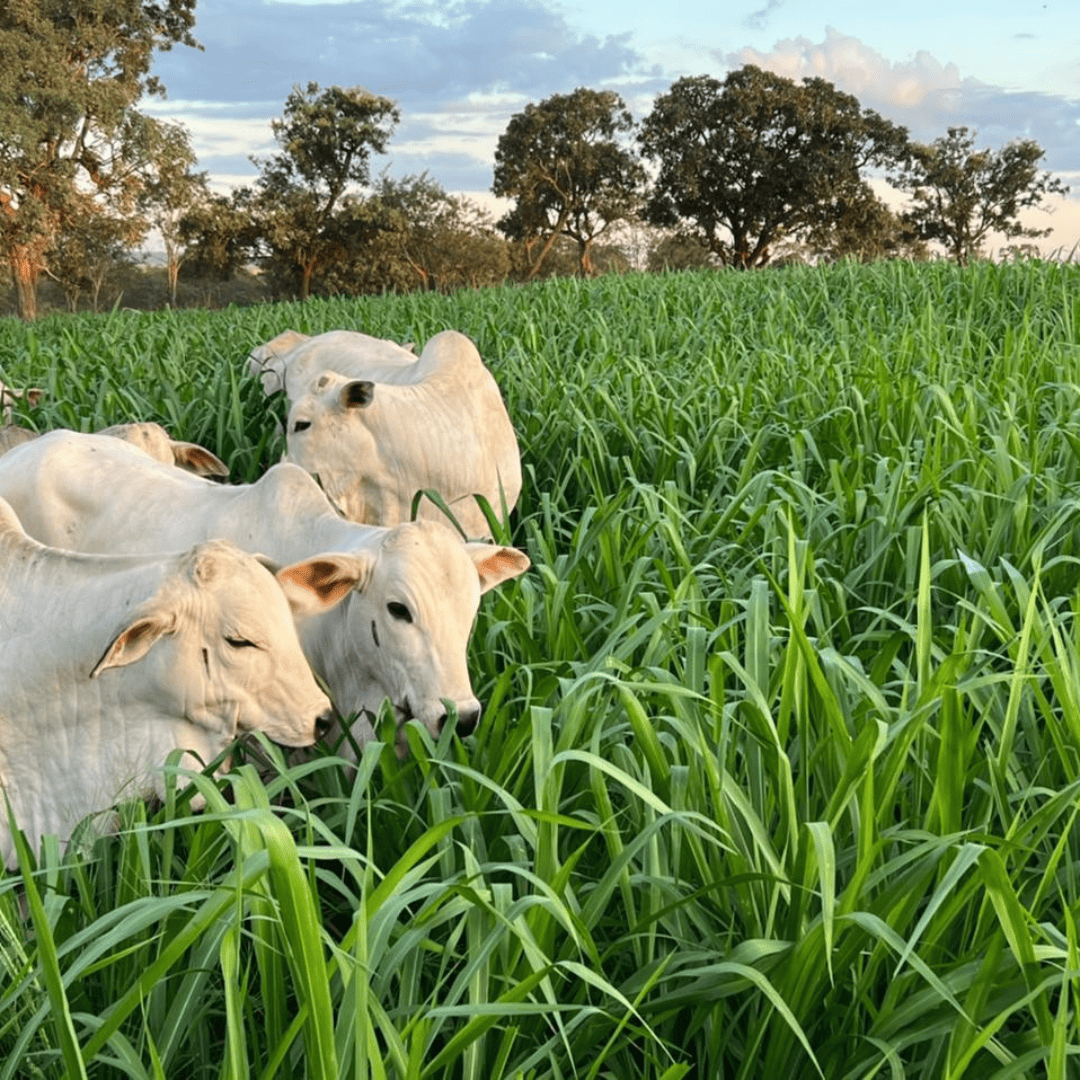
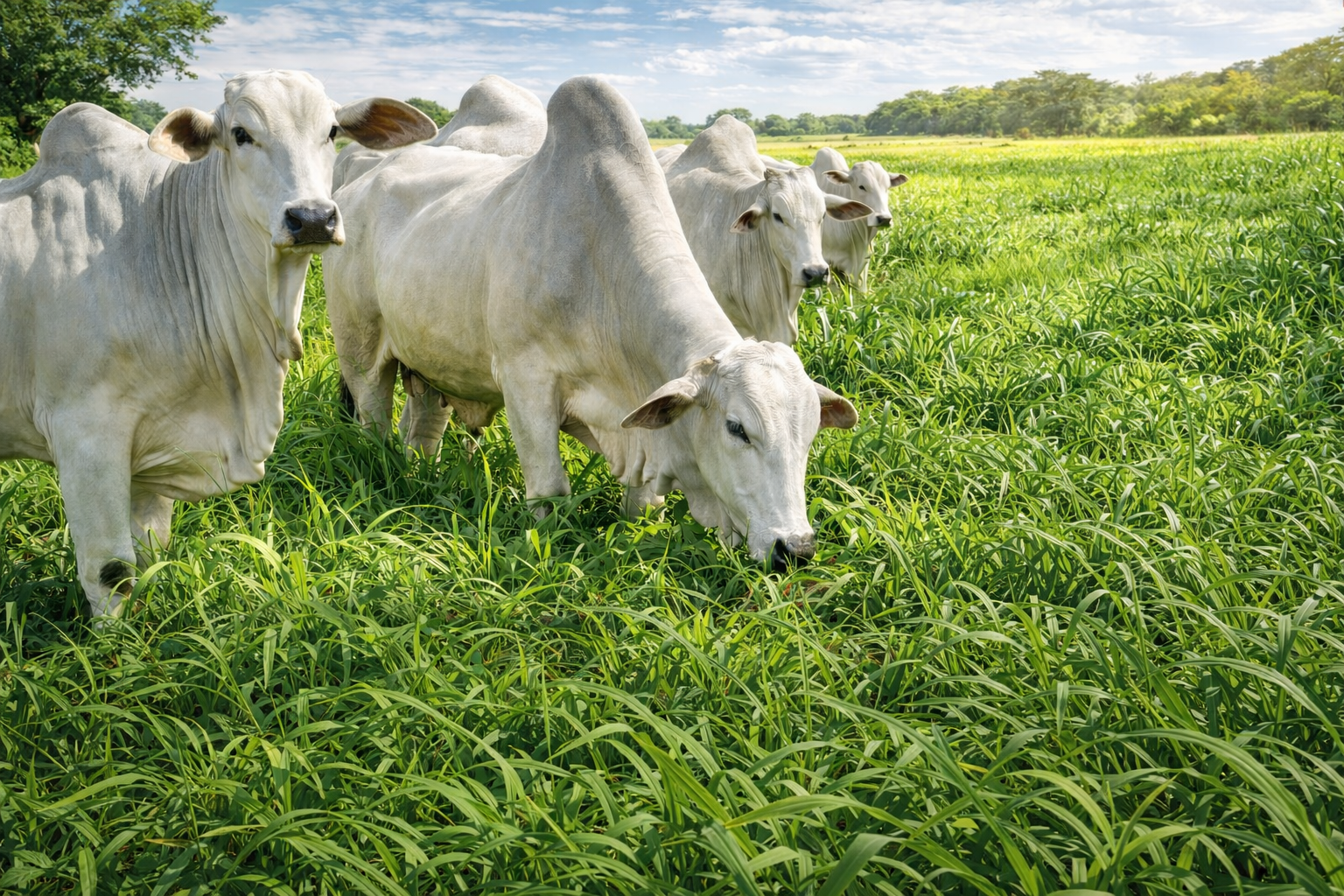
- Better pasture establishment
- More uniform emergence
- Reduced failures during formation
- Greater efficiency in land use
- Increased productivity per hectare
In the end, this translates into more security, efficiency, and profitability.
Latin America: A New Level of Demand
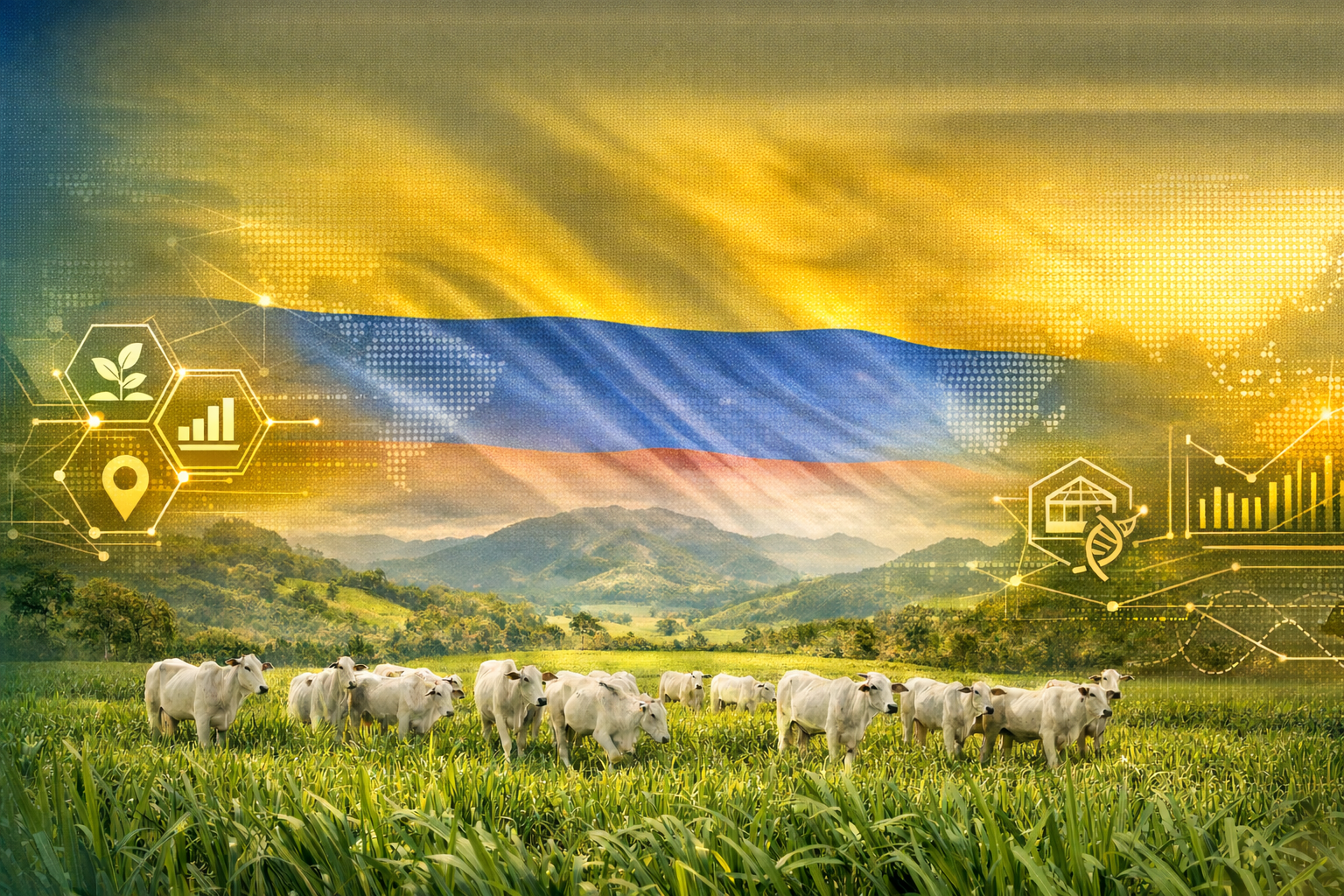
Countries such as Brazil, Mexico, Colombia, and regions of Central America are raising the technical level of agriculture.
In this context, traceability is no longer optional — it becomes a selection criterion.
Companies that operate with origin control, governance, and technical accountability tend to lead this movement, while those without control lose space.
Seed traceability represents a shift in mindset in Latin American agriculture.
It is no longer just about producing more, but about producing with control, consistency, and confidence.
In the field, results start with the choice.
And today, choosing well means choosing seeds with proven origin, validated history, and traceable quality.