



















Nós usamos cookies
Este site usa cookies para aprimorar sua experiência de navegação.
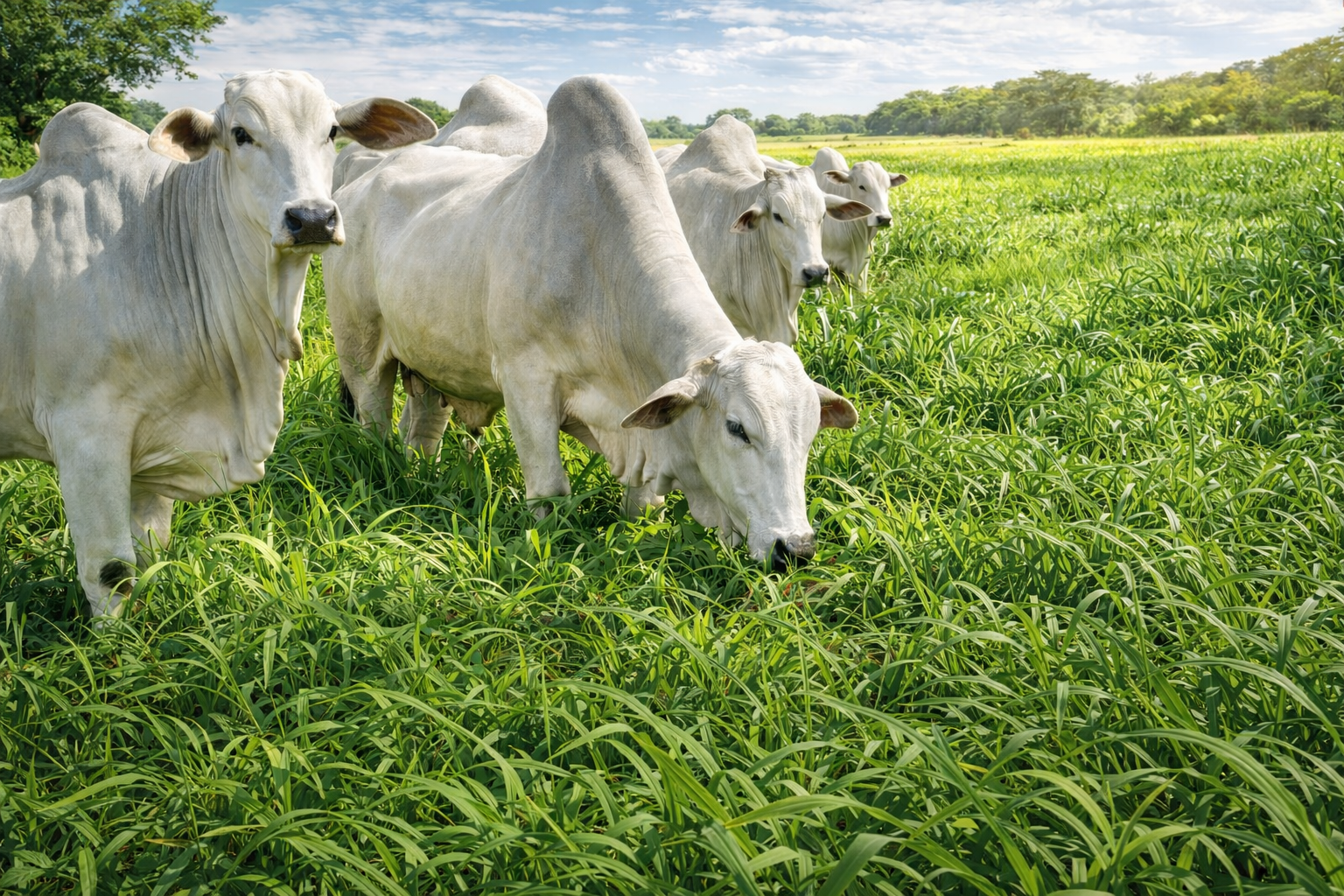
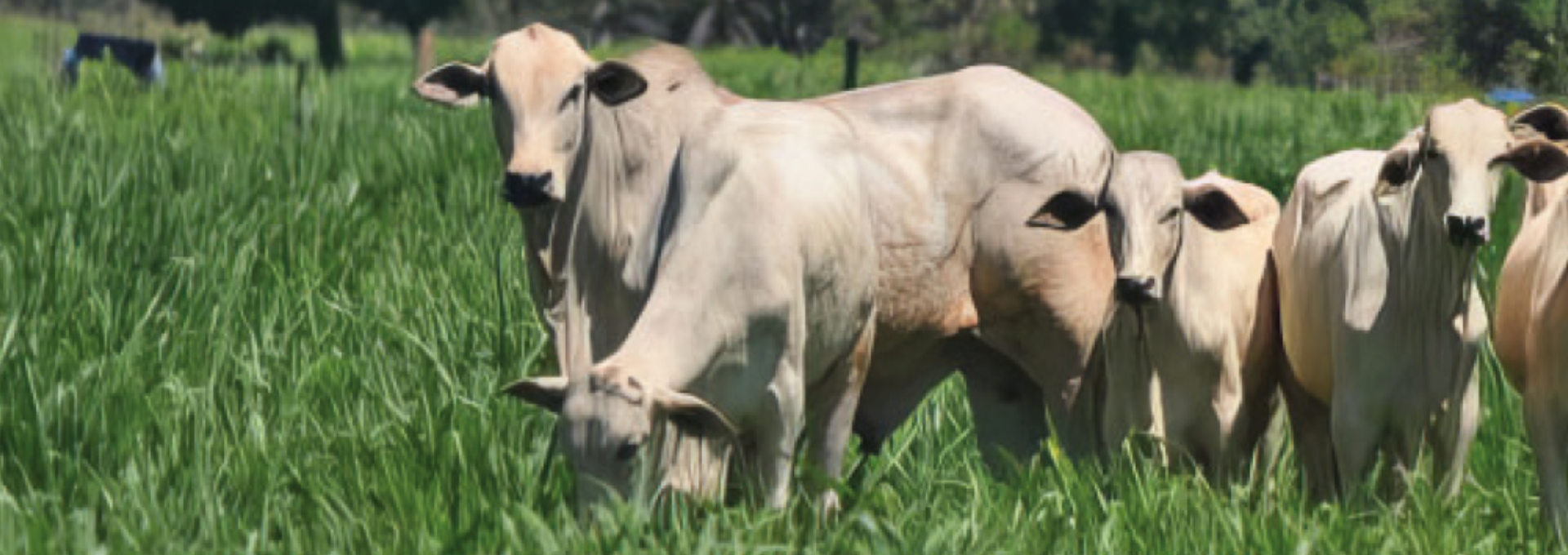
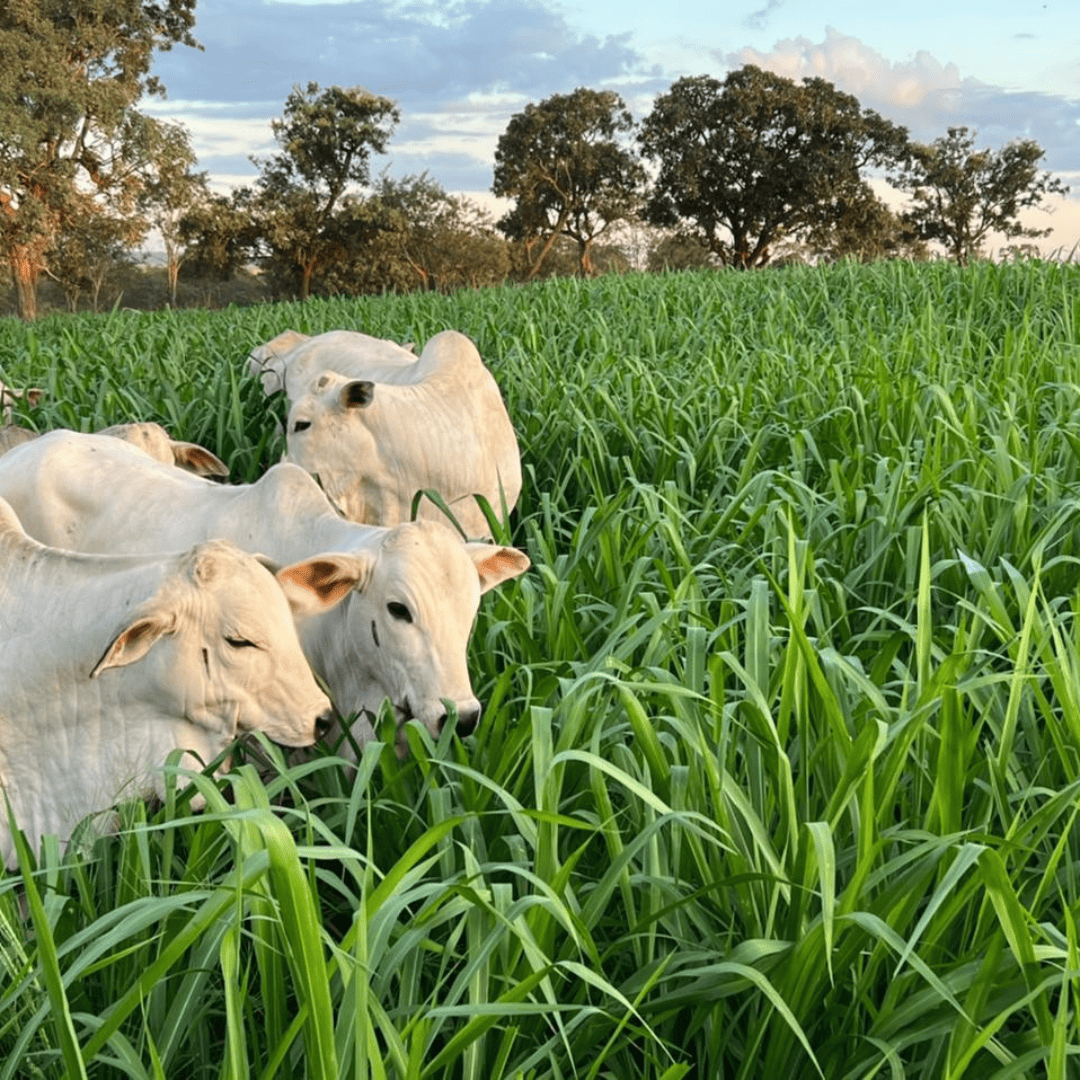
Among the available options, Ruziziensis (Urochloa ruziziensis) and Piatã (Urochloa brizantha cv. BRS Piatã) stand out for their agronomic versatility, soil recovery capacity, and direct contribution to the health of the production system.
This article presents a technical analysis of the use of these cultivars as tools for agricultural quarantine, pest and nematode reduction, and improvement of soil physical structure, with a focus on practical field results.
Direct succession between commercial crops, without a period of biological interruption, favors the persistence and increase of pest, disease, and nematode inoculum in the soil.
The introduction of Ruziziensis or Piatã during the off-season acts as a functional quarantine, promoting:
Disruption of pest cycles specific to soybean and corn
Reduction of root disease pressure
Decreased survival of host-dependent pathogens
These forage species are not preferred hosts for several phytonematodes associated with soybean, contributing to a biologically less favorable environment for their multiplication.
Practical result: lower initial pressure on the following crop, greater yield stability, and reduced reliance on chemical interventions.
Field studies and practical observations show that areas managed with Ruziziensis present consistent reductions in nematode populations such as:
Meloidogyne spp.
Pratylenchus brachyurus
This effect is associated with three main factors:
Absence of a favorable host
Stimulated biological activity in the soil
Increased microbial competition promoted by surface residue
In the case of Piatã, in addition to the biological effect, its more robust root system contributes to better soil structure, making survival more difficult for pests associated with compacted and poorly drained environments.
Important: the effect is not immediate like a chemical treatment, but it is longer-lasting and more sustainable, acting on system balance.
The term “soil loosening” is widely used in the field to describe soils that are less compacted, well-structured, and more responsive to agricultural operations. Ruziziensis and Piatã are extremely effective in this process.
Main physical effects on the soil:
Formation of biological channels by roots
Reduction of compacted layers
Increased water infiltration
Improved soil profile aeration
After forage management, the soil shows:
Lower resistance to penetration
Better emergence of the following crop
Deeper and more uniform root development
In practice: soybean crops establish more easily, explore the soil profile more efficiently, and experience less water stress.
Beyond the core points, the use of these cultivars provides important complementary gains:
Production of high-quality residue for no-till systems
Soil protection against erosion
Moisture conservation
Gradual increase in organic matter
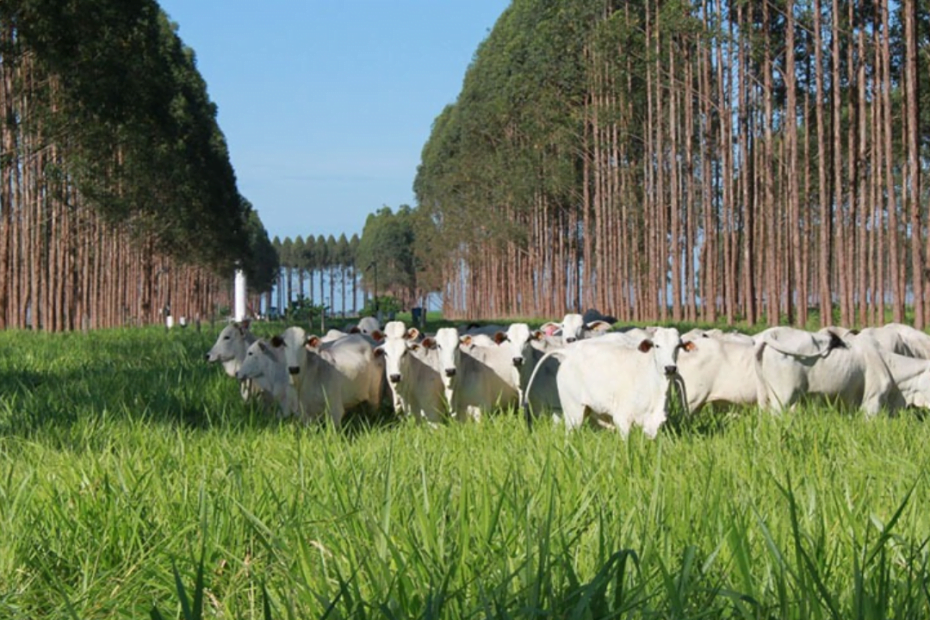
In integrated systems, Piatã also allows strategic use under controlled grazing, adding economic value to the off-season without compromising the following crop.
The choice between Ruziziensis and Piatã should take into account:
The main objective of the system (biological, physical, or integration)
Area history of compaction and nematode presence
Sowing window and management strategy
Both cultivars are high-value agronomic tools when properly positioned within agricultural planning.
All agronomic benefits associated with the use of Ruziziensis and Piatã — such as effective quarantine, nematode reduction, and improved soil structure — begin before planting, with the quality of the seed used.
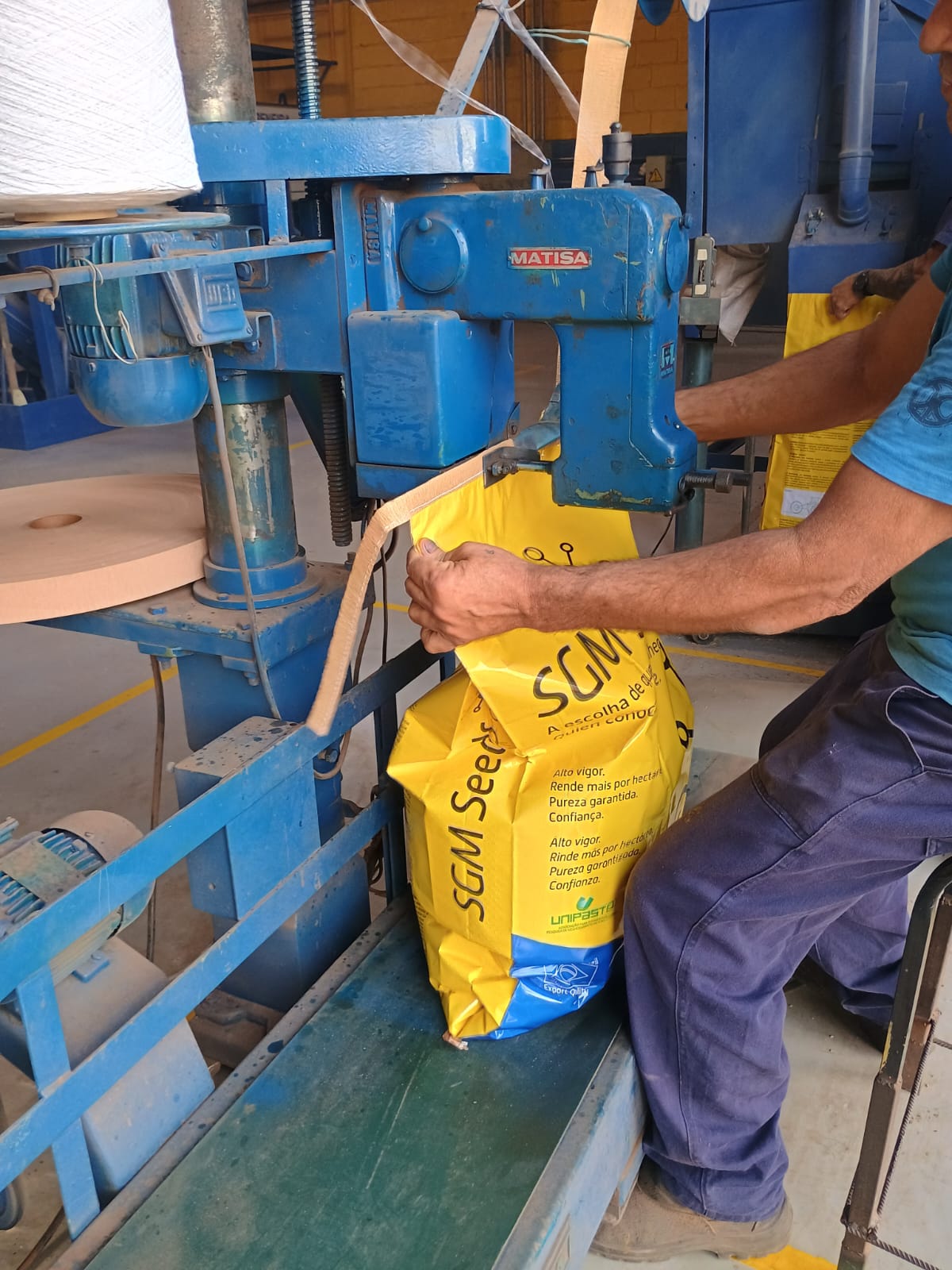
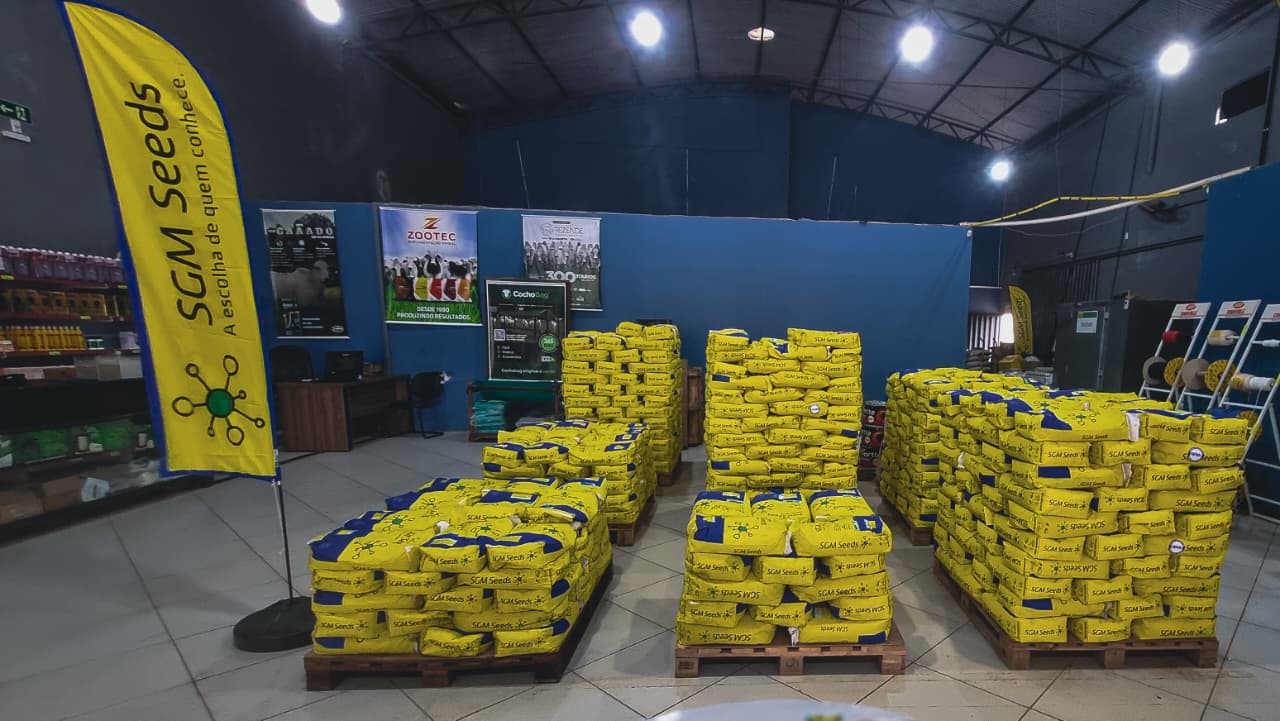
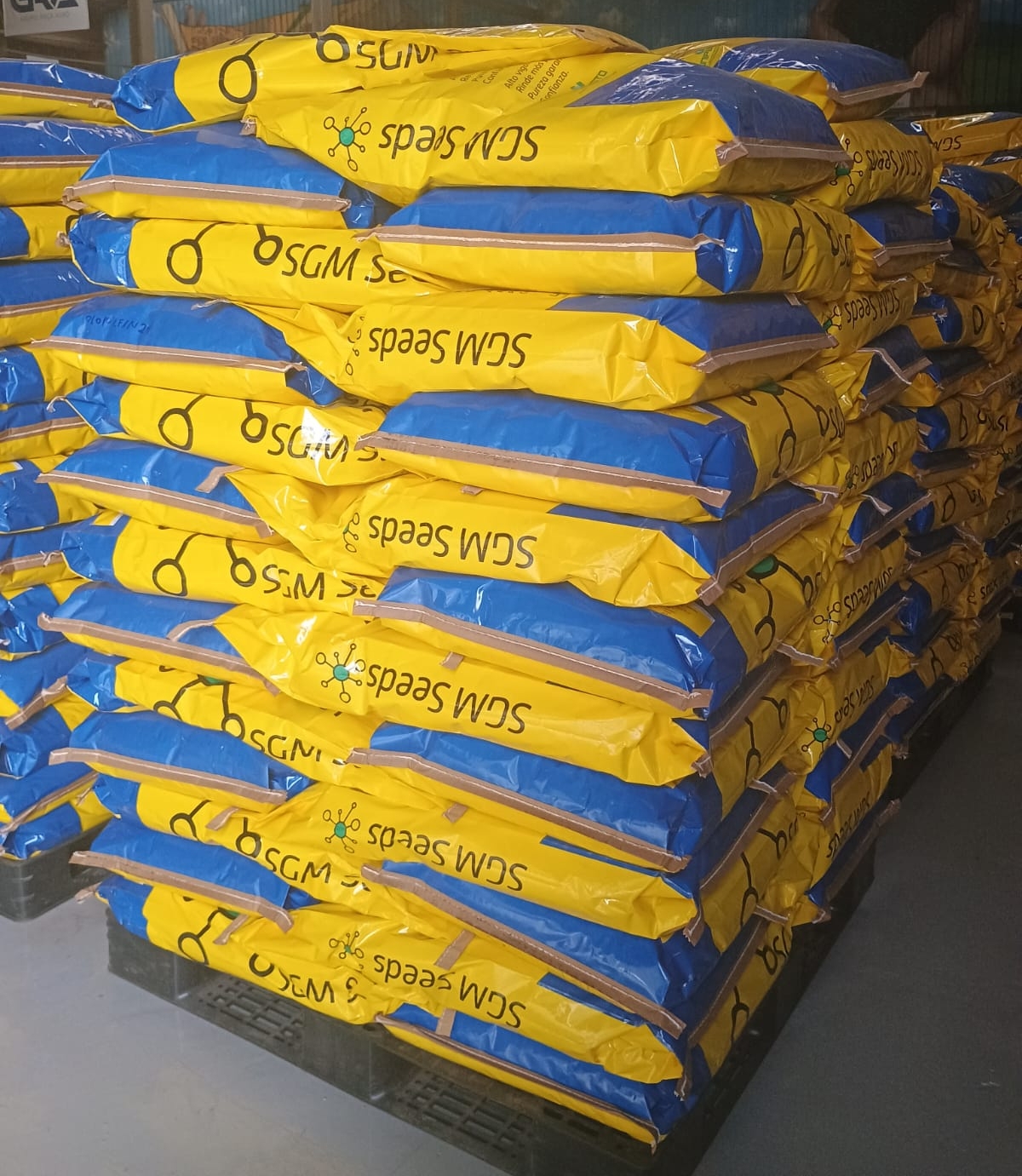
At SGM Seeds, forage seed production goes beyond declared purity. Each lot undergoes a rigorous technical control system that includes:
Production under defined agronomic standards
Careful processing
Viability and vigor analysis
Lot-by-lot traceability
Process control from field to shipment
This level of care ensures that the seed delivered to the producer responds predictably in the field, with uniform emergence, efficient root systems, and rapid establishment — decisive factors for forage performance within the corn–soybean system.
When it comes to soil loosening, soil health, and profile development, seed genetics and vigor make all the difference.
The use of Ruziziensis and Piatã during the off-season is a strategic agronomic decision that directly impacts productivity, system health, and long-term sustainability.
However, for these benefits to be fully realized in the field, it is essential to work with reliable, traceable, and technically validated seeds.
This is where SGM Seeds positions itself: as a technical partner for production systems that demand standards, predictability, and real results.
Because productivity does not start at planting.
It starts with the right seed choice.
SGM Seeds — those who know, choose us.
Este site usa cookies para aprimorar sua experiência de navegação.